
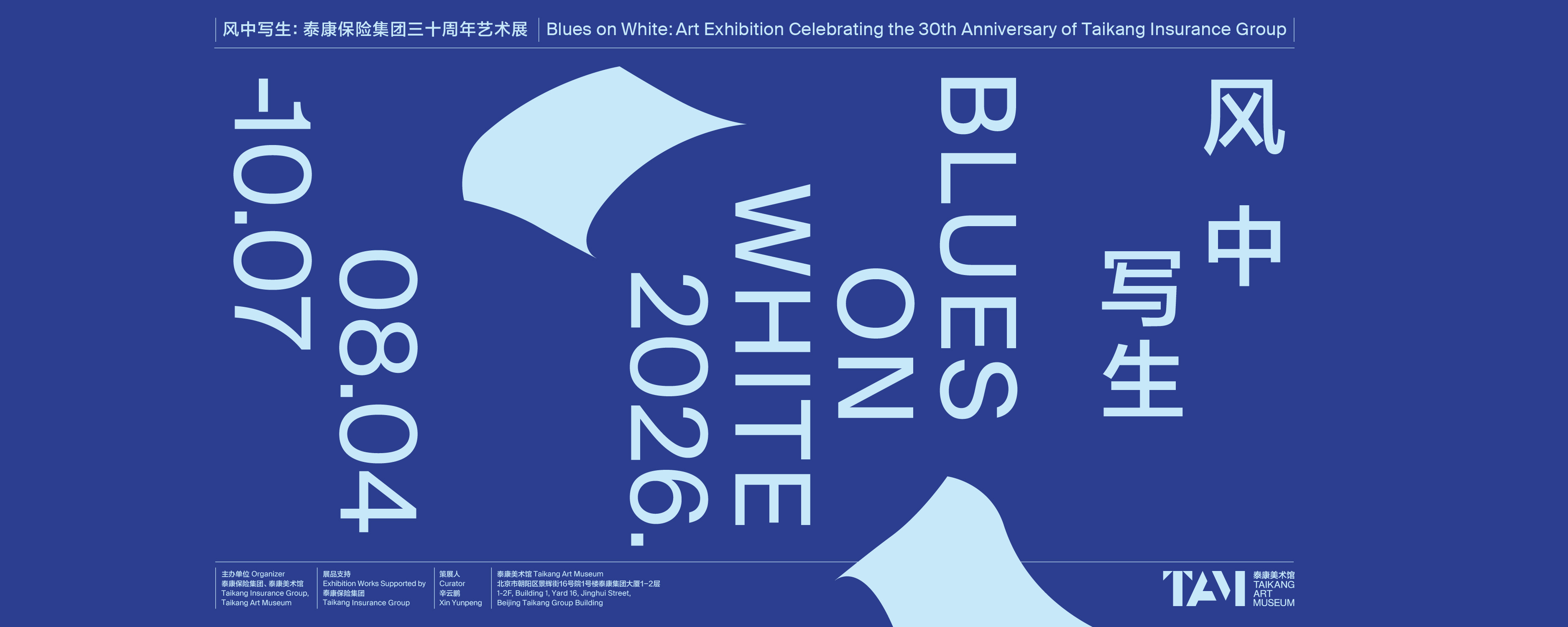
2026.08.04 - 2026.10.07
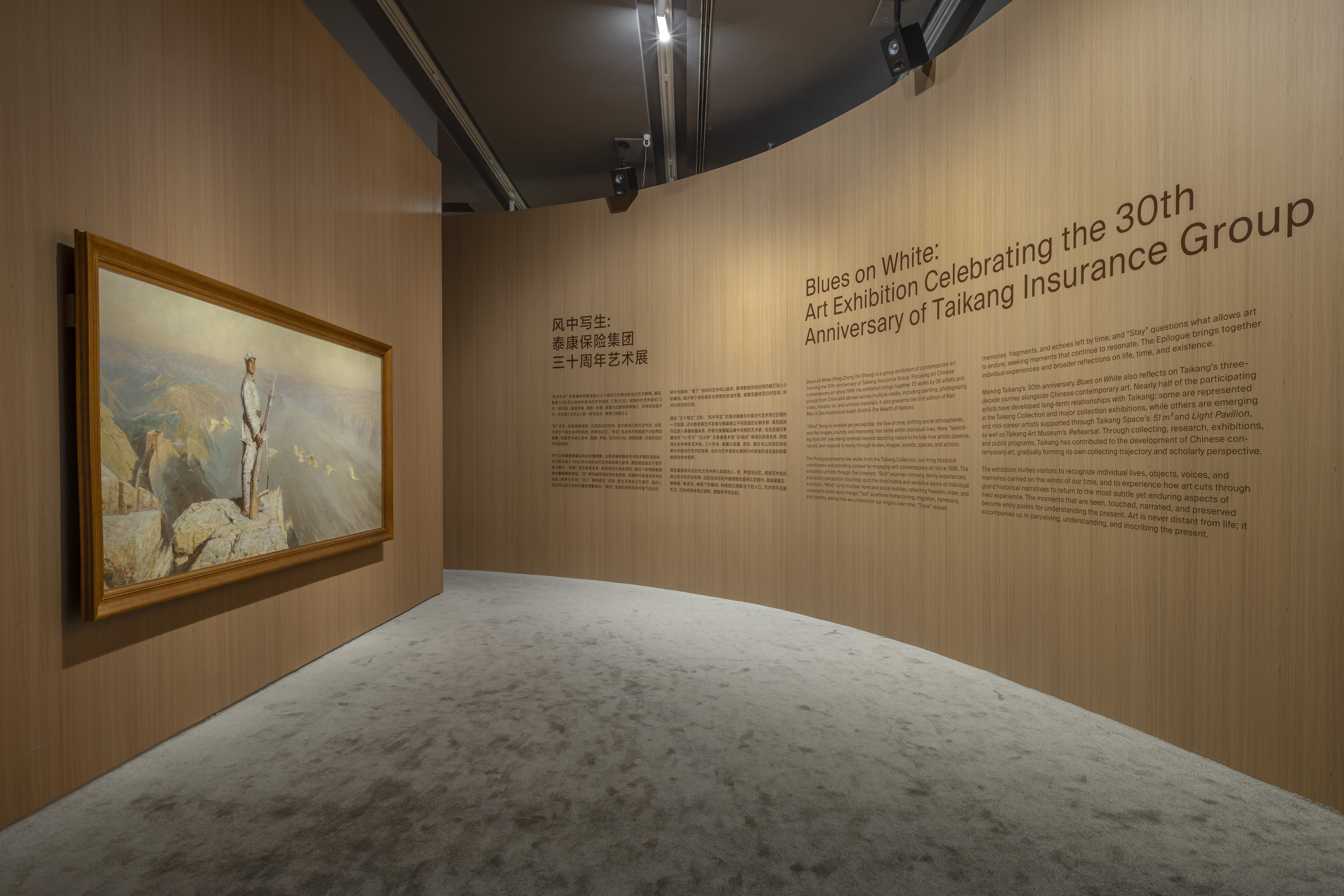
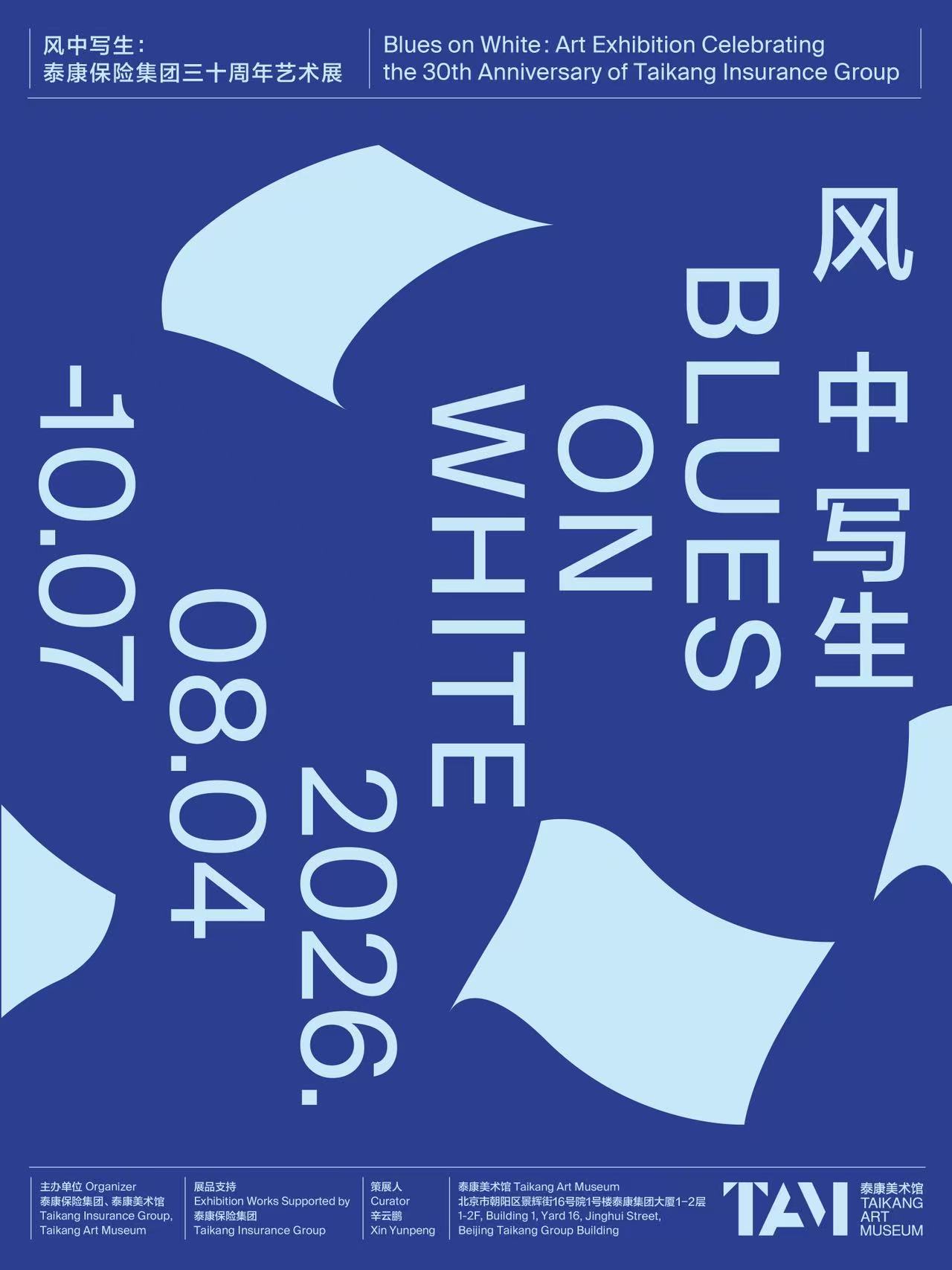
Blues on White: Art Exhibition Celebrating the 30th Anniversary of Taikang Insurance Group
- OrganizersTaikang Insurance Group, Taikang Art Museum
- Exhibition Dates2026.8.4–2026.10.7
- VenueTaikang Art Museum 1–2F, Building 1, Yard 16, Jinghui Street, Beijing Taikang Group Building
- Opening HoursTuesday–Sunday, 10:00 AM–5:30 PM
- Participating ArtistsCao Fei, Chen Qiu, Chen Yifei, Feng Shan, Gao Wenqian, Hao Jingban, He Zike, Hu Qingtai, Hu Xiangqian, Huang Xiaopeng, Huang Yongping, Jiang Zhi, Jiang Zhuyun, Kan Xuan, Abbas Kiarostami, Alexander Kluge, Li Binyuan, Li Han, Li Jinghu, Li Juchuan, Li Liao, Li Ming, Li Yingwu, Liang Shuo, Liang Yuanwei, Lin Aojie, Liu Chongyan, Liu Chuang, Liu Xinyi, Luan Xueyan, Nabuqi, She Luyun, Shuangfei Art Center, Song Dong, Song Ziwei, Sui Jianguo, Tao Hui, Wang Bingfu, Wang Youshen, Apichatpong Weerasethaku, Xiang Jing, Xie Qun, Xu Bing, Yan Bing, Yao Qingmei, Yu Guo, Zeng Hong, Zhan Wang, Zhang Dali, Zhang Miao, Zhang Peili, Zhang Yi, Zhang Yinquan, Zhao Dajun, Zhao Meng, Zheng Guogu.
- Special ExhibitsKarl Marx , "Das Kapital", Adam Smith, "The Wealth of Nations"
- Artwork SupportTaikang Insurance Group
- Strategic SupportBeijing Taikang Cultureand Art Foundation
- CuratorXin Yunpeng
- Academic FundingSheena Xu, Micah Duan, Enzo Xiao
- Special SupportBeijing Meituan Charity Foundation
- Tags:
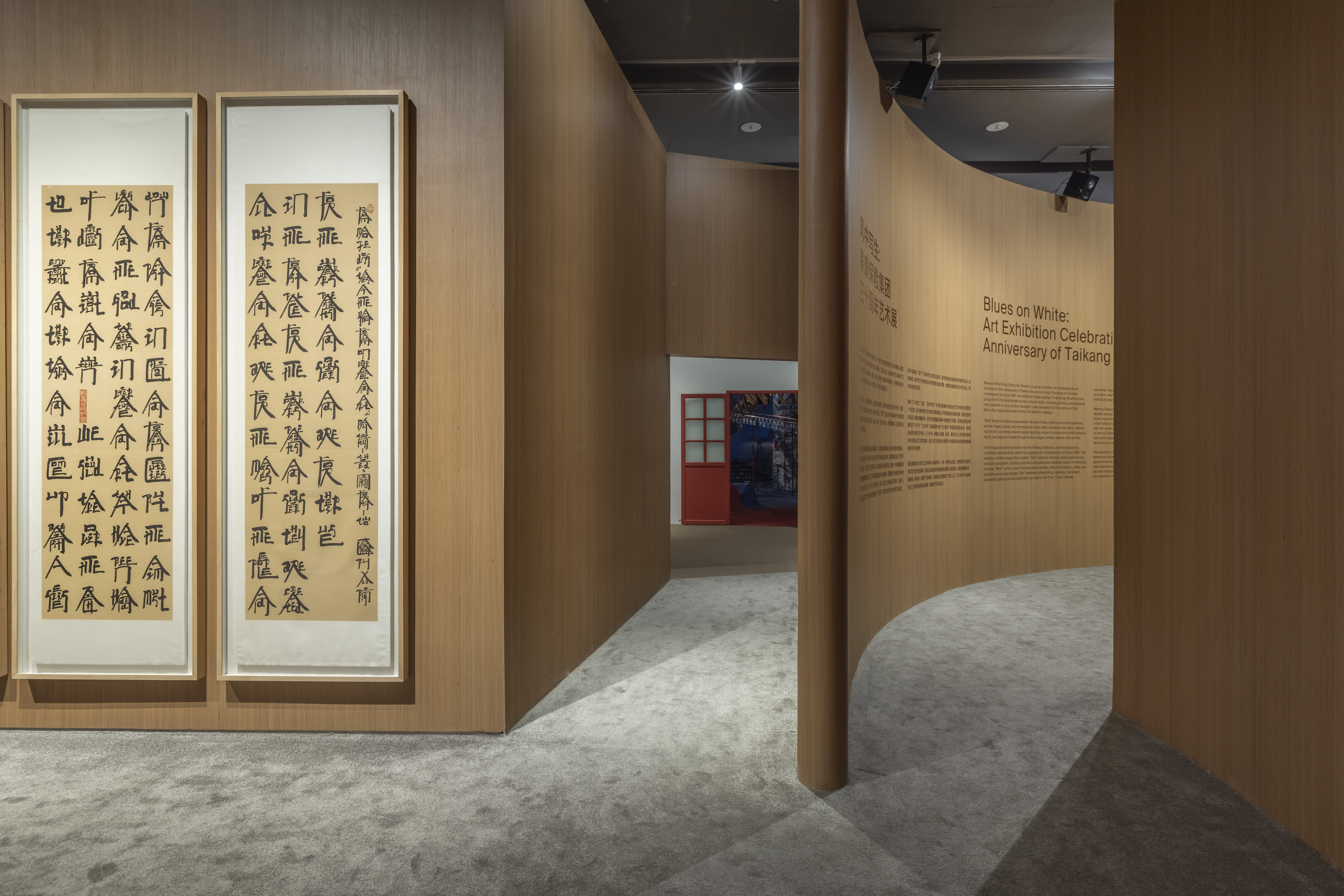
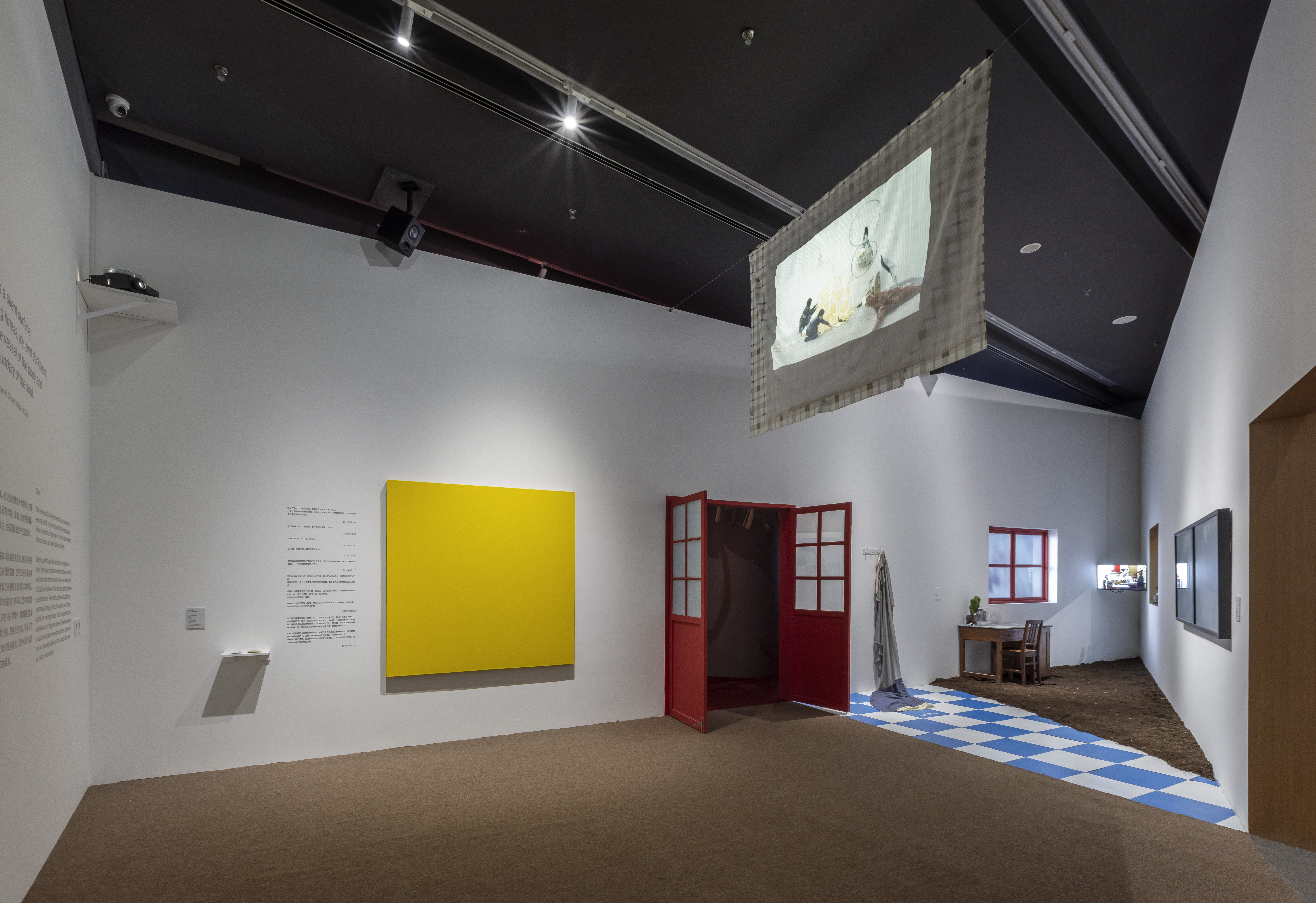
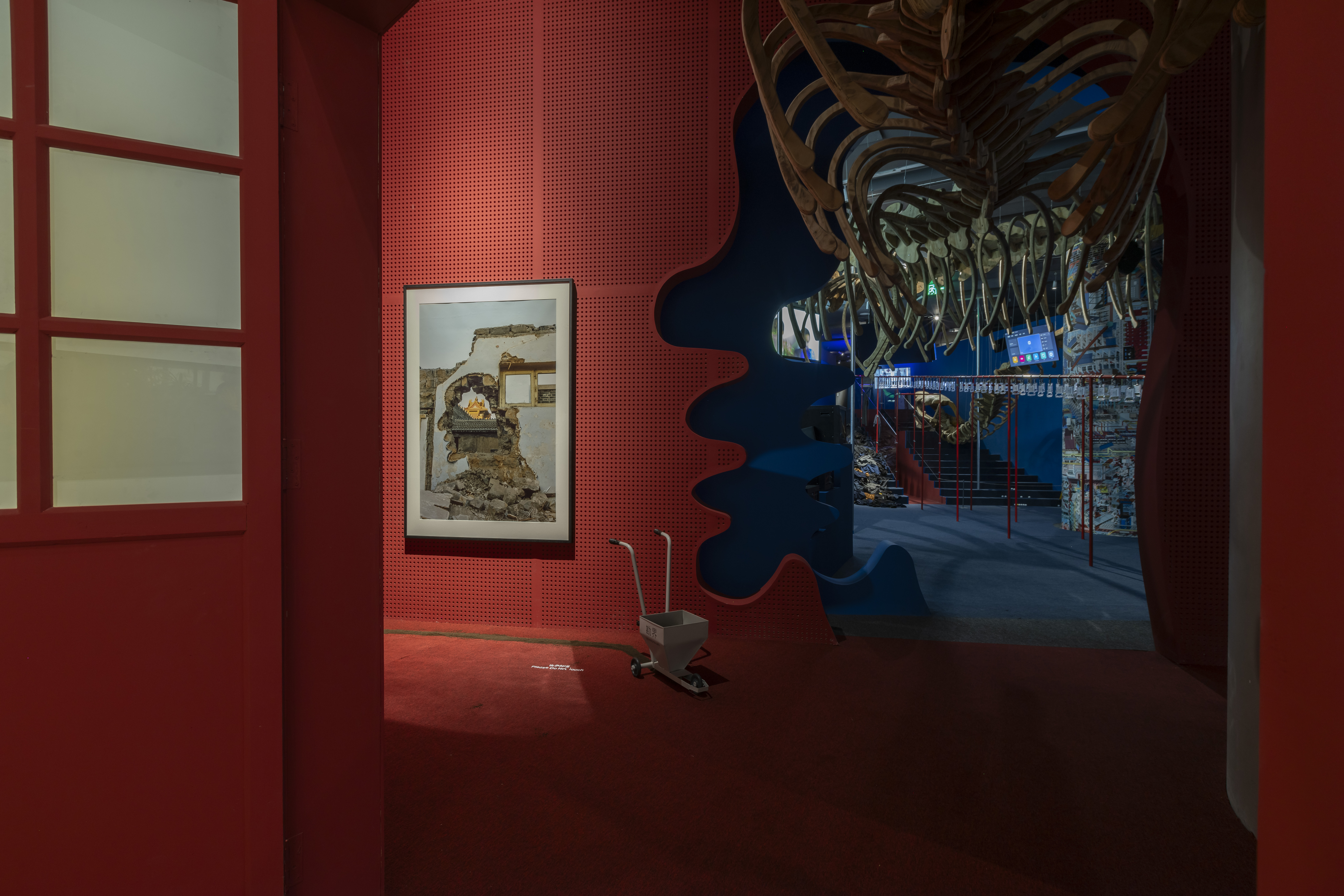
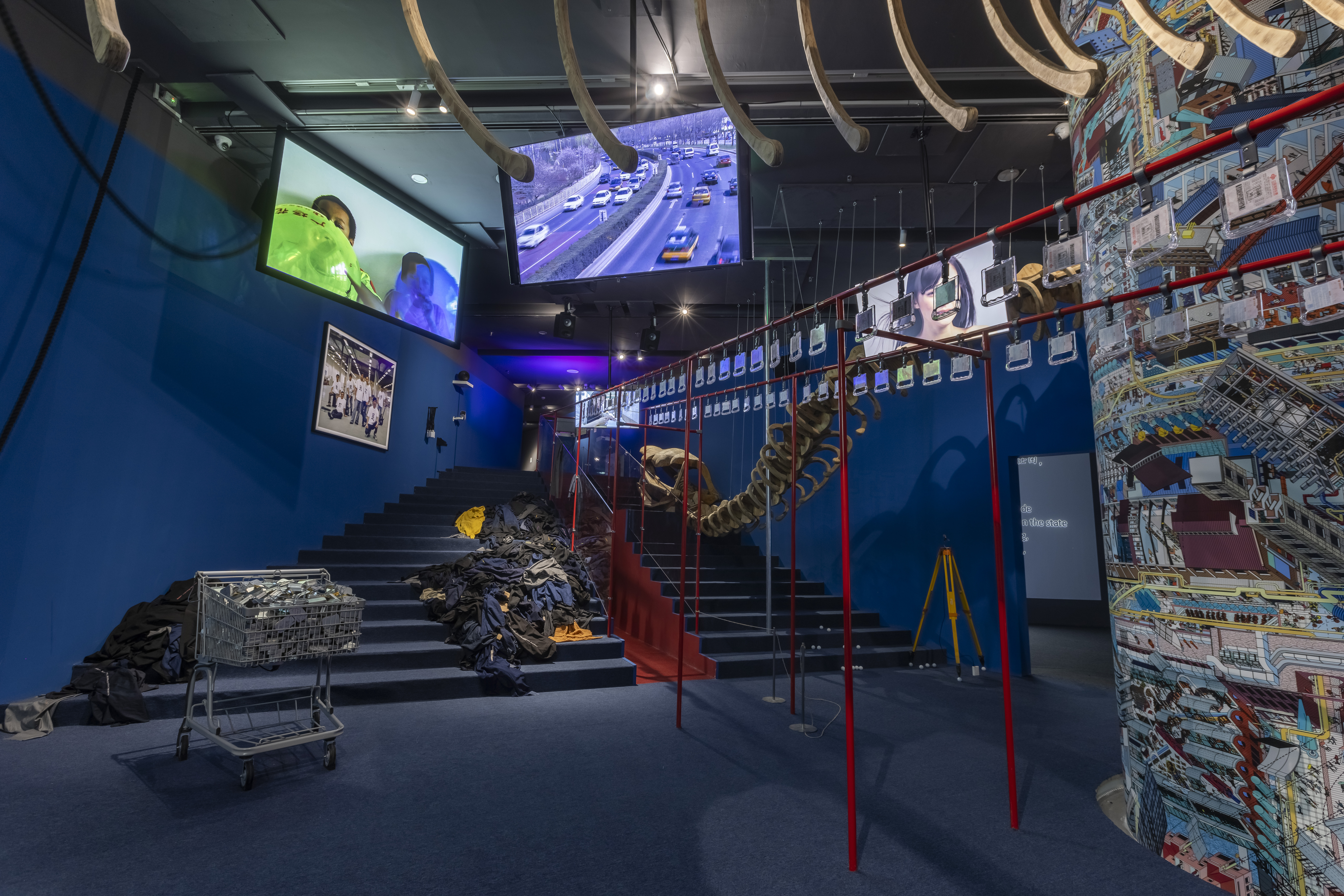
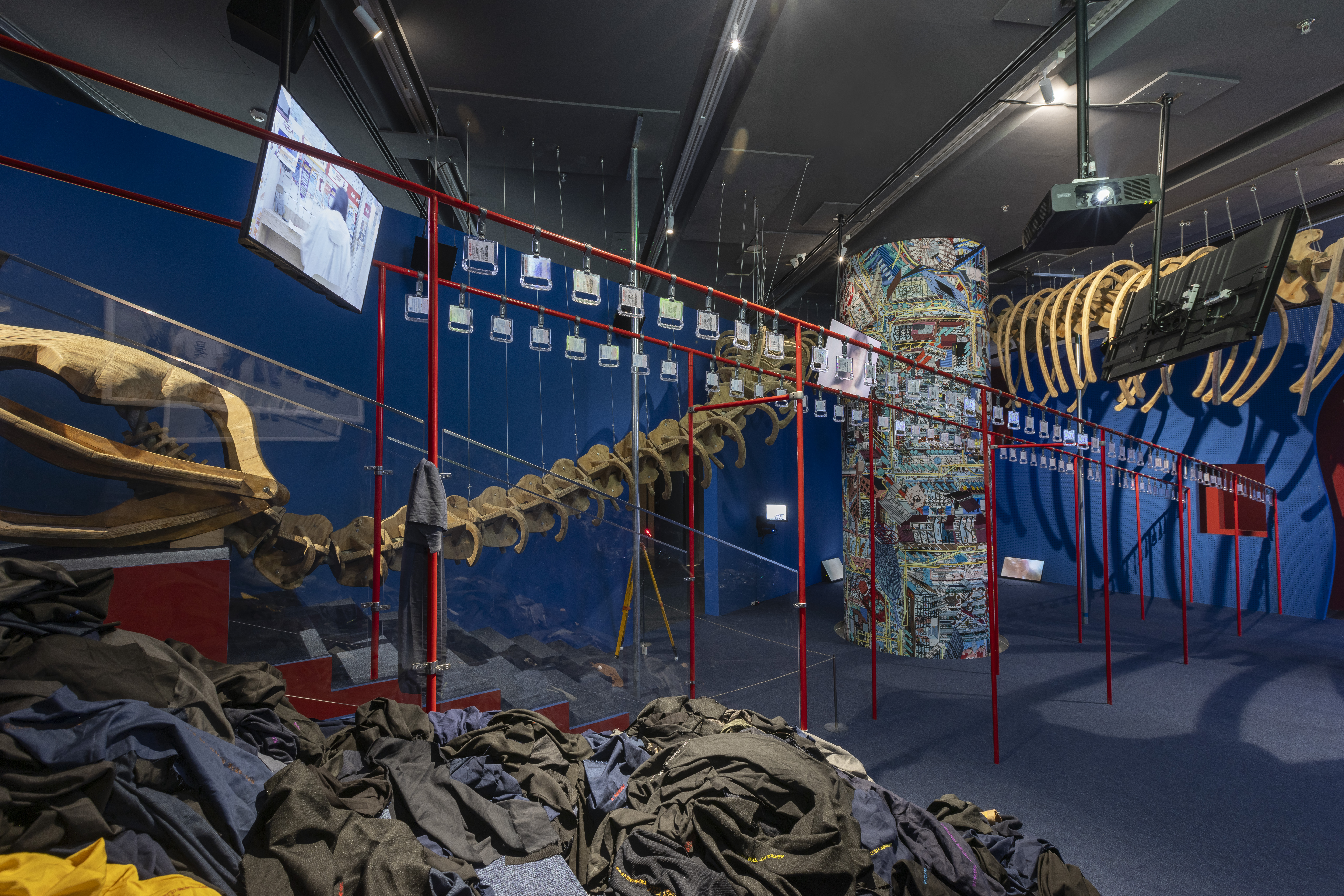
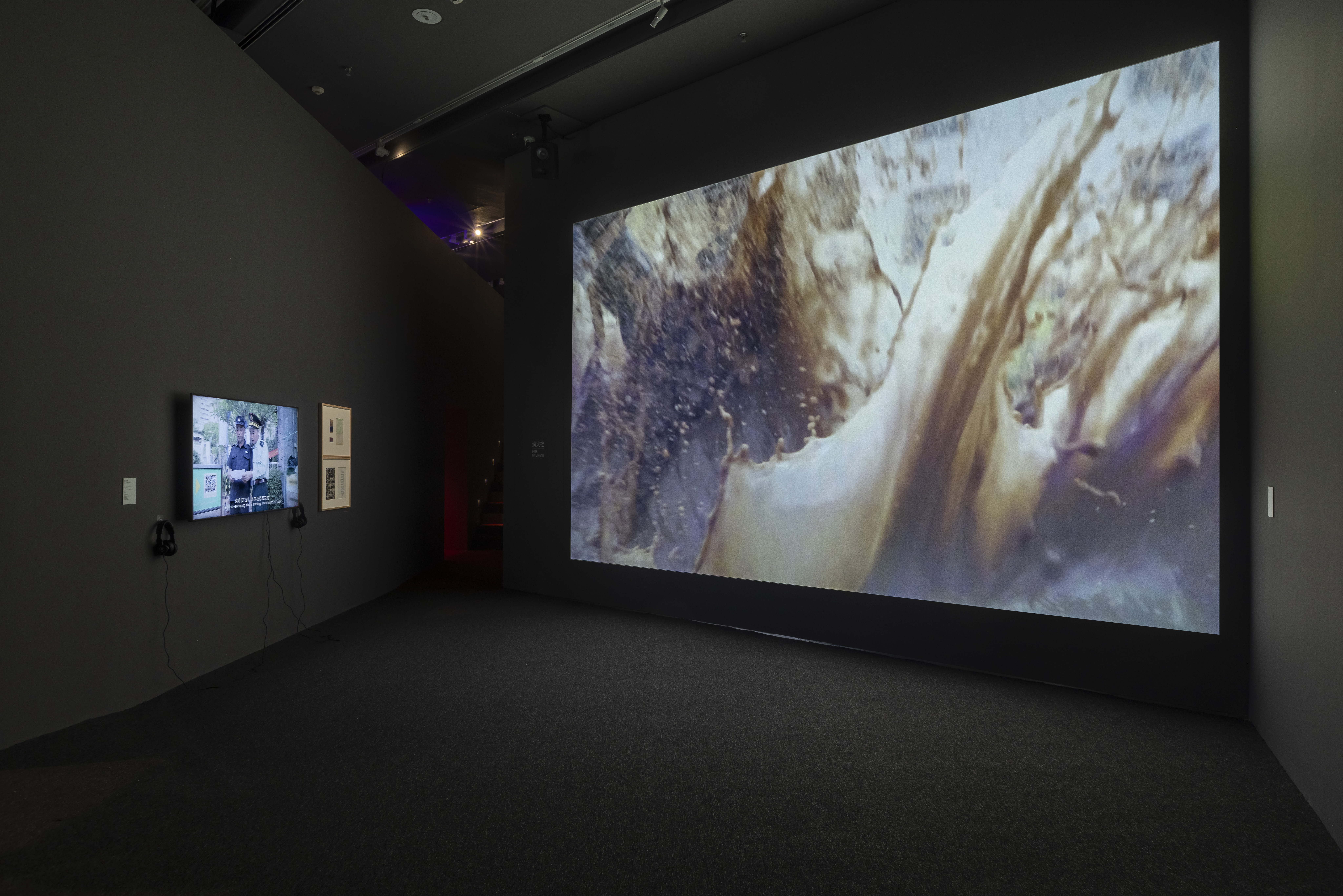
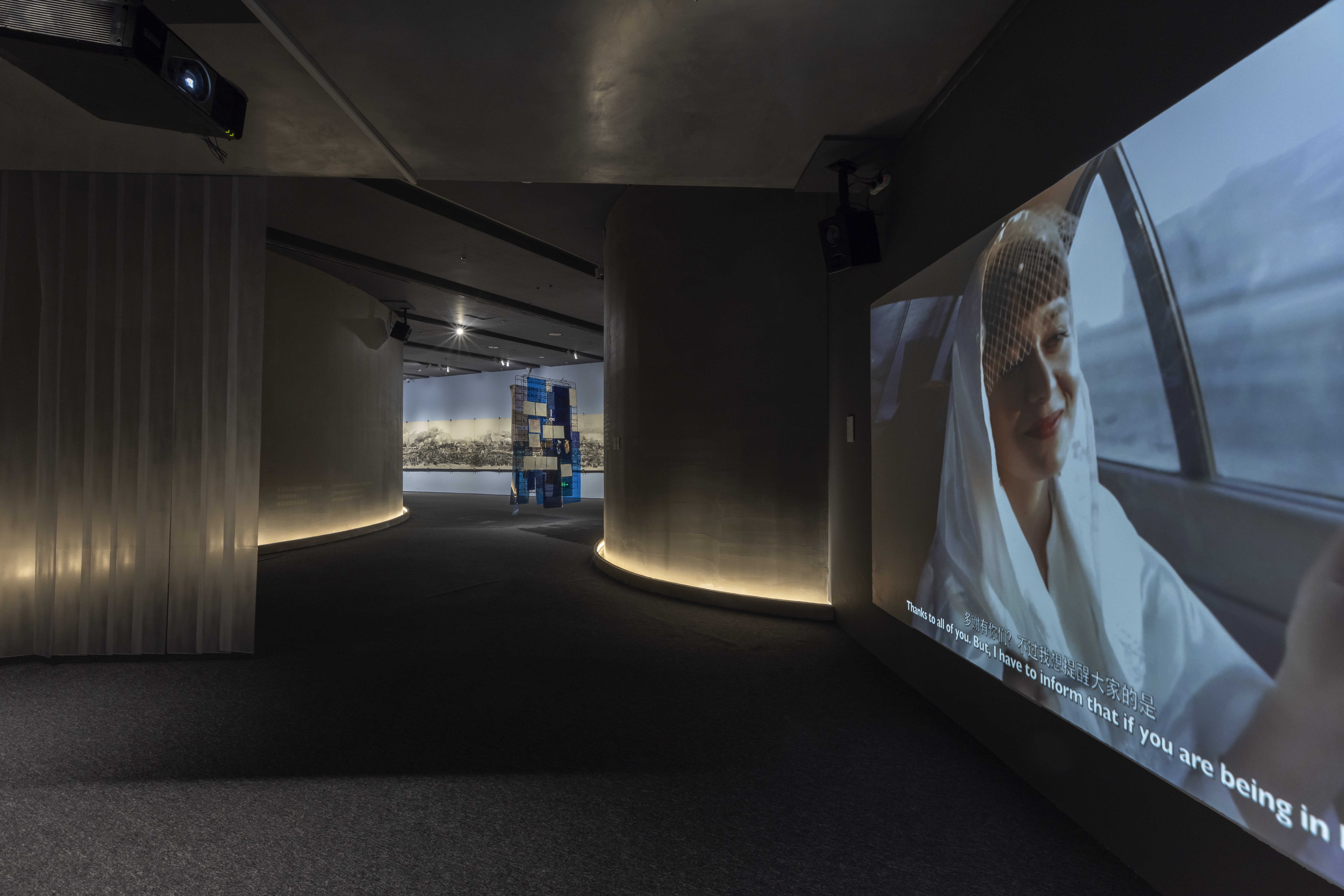
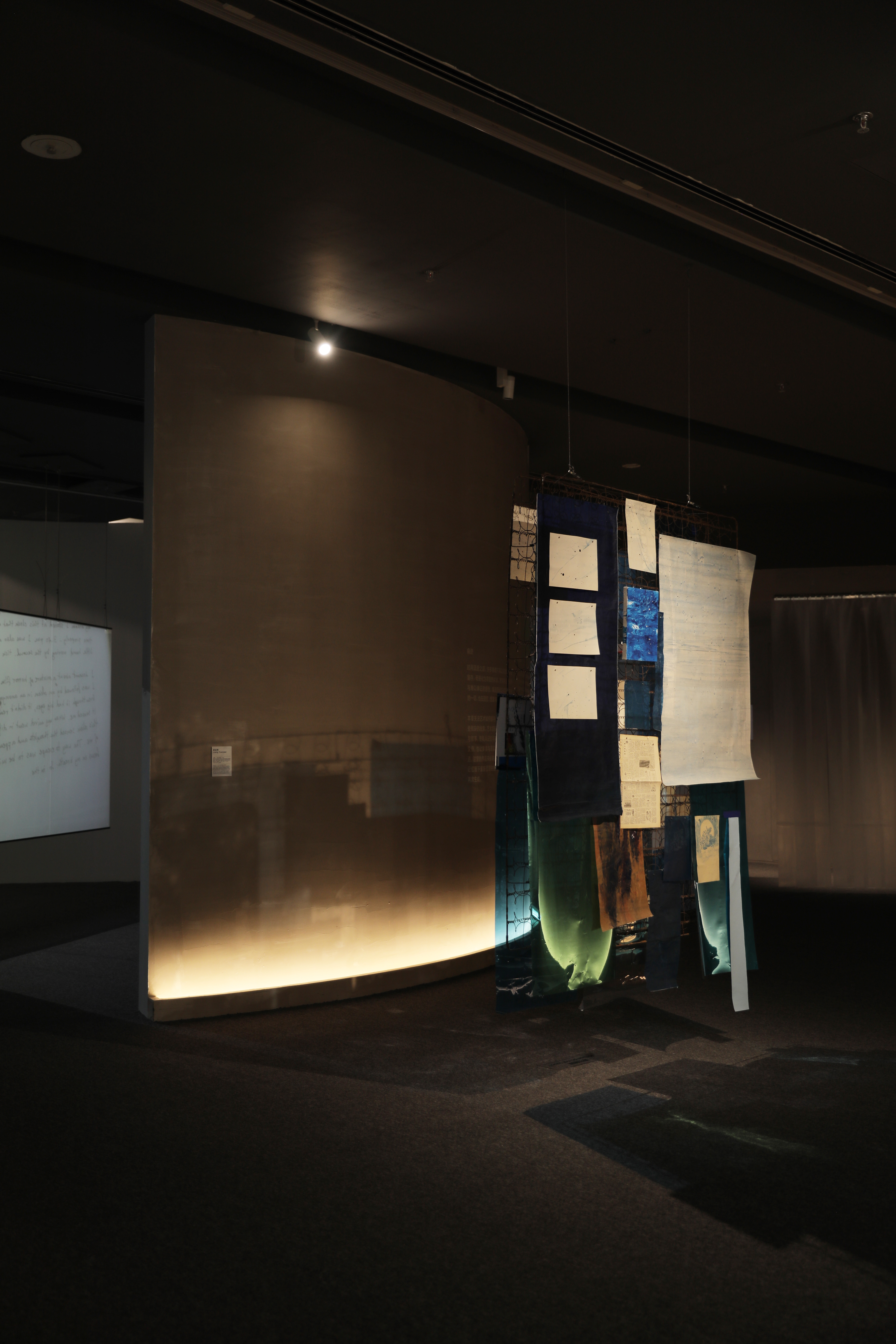
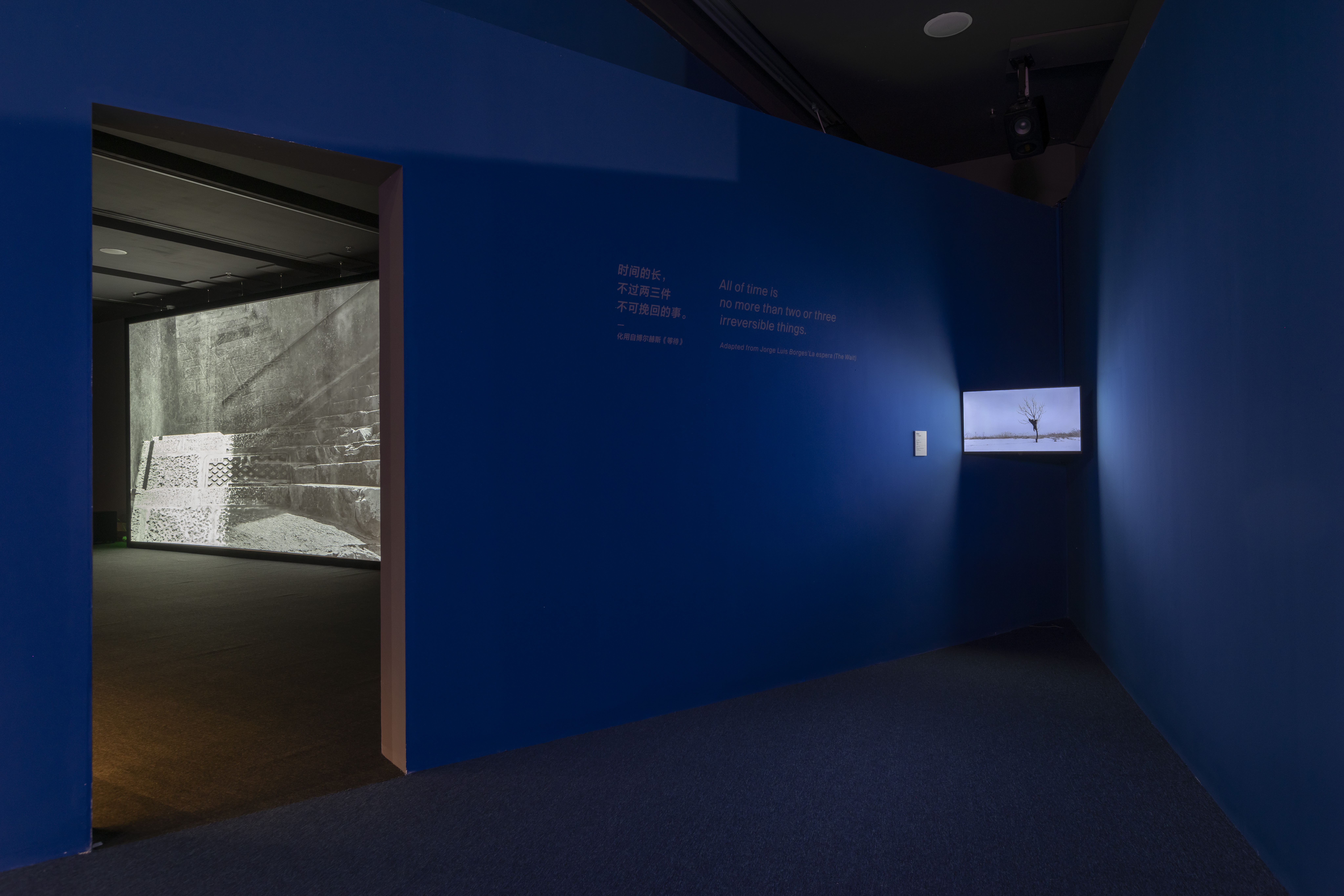
Blues on White (Feng Zhong Xie Sheng) is a group exhibition of contemporary art marking the 30th anniversary of Taikang Insurance Group. Focusing on Chinese contemporary art since 1996, the exhibition brings together 74 works by 56 artists and groups from China and abroad across multiple media, including painting, photography, video, Installation, and archival materials. It also presents the first edition of Karl Marx’s Das Kapital and Adam Smith’s The Wealth of Nations.
“Wind” (feng) is invisible yet perceptible: the flow of time, shifting social atmospheres, and the images, sounds, and memories that settle within individual lives. Here, “sketching from life” (xie sheng) extends beyond depicting nature to include how artists observe, record, and respond to reality through bodies, images, sounds, spaces, and actions.
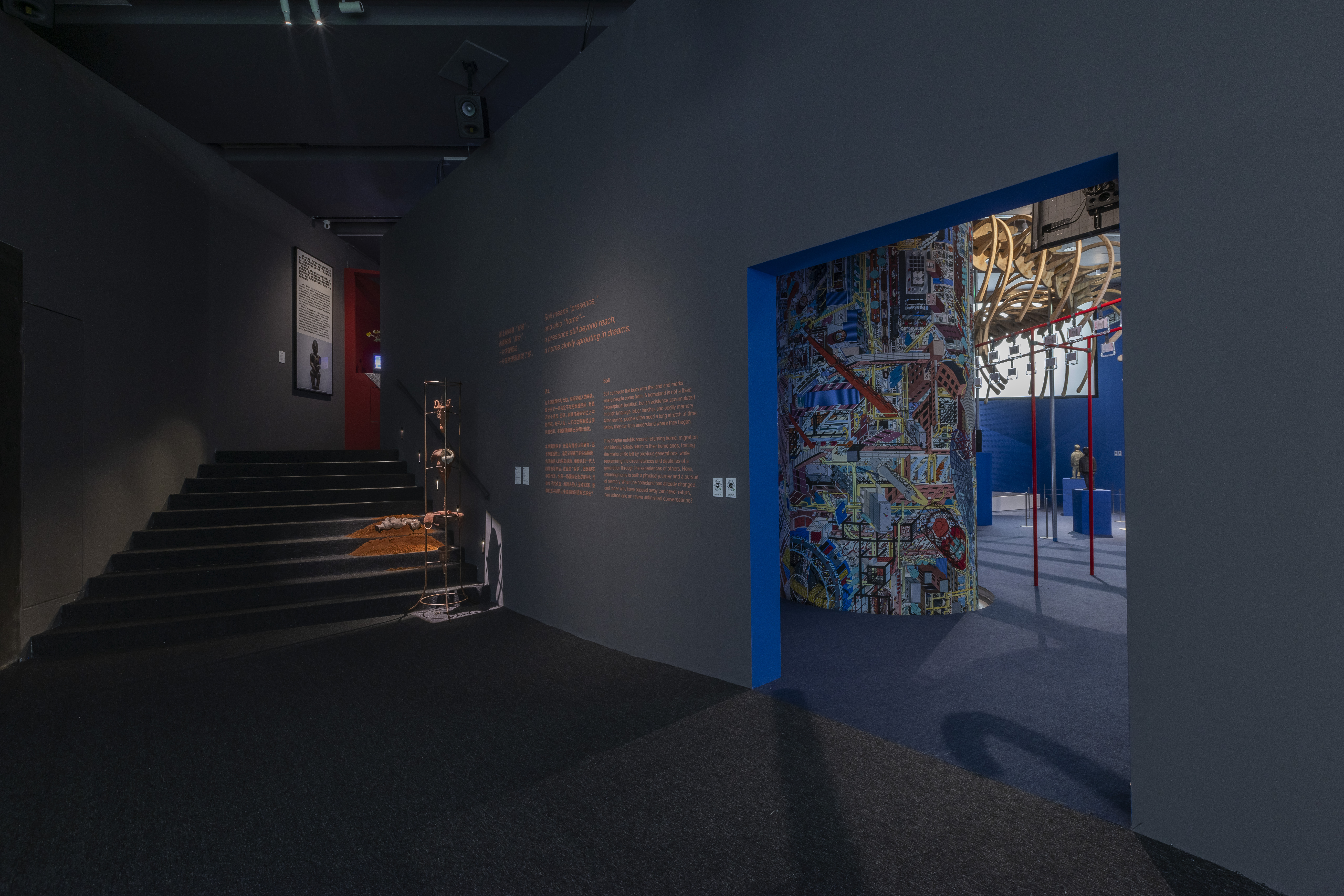
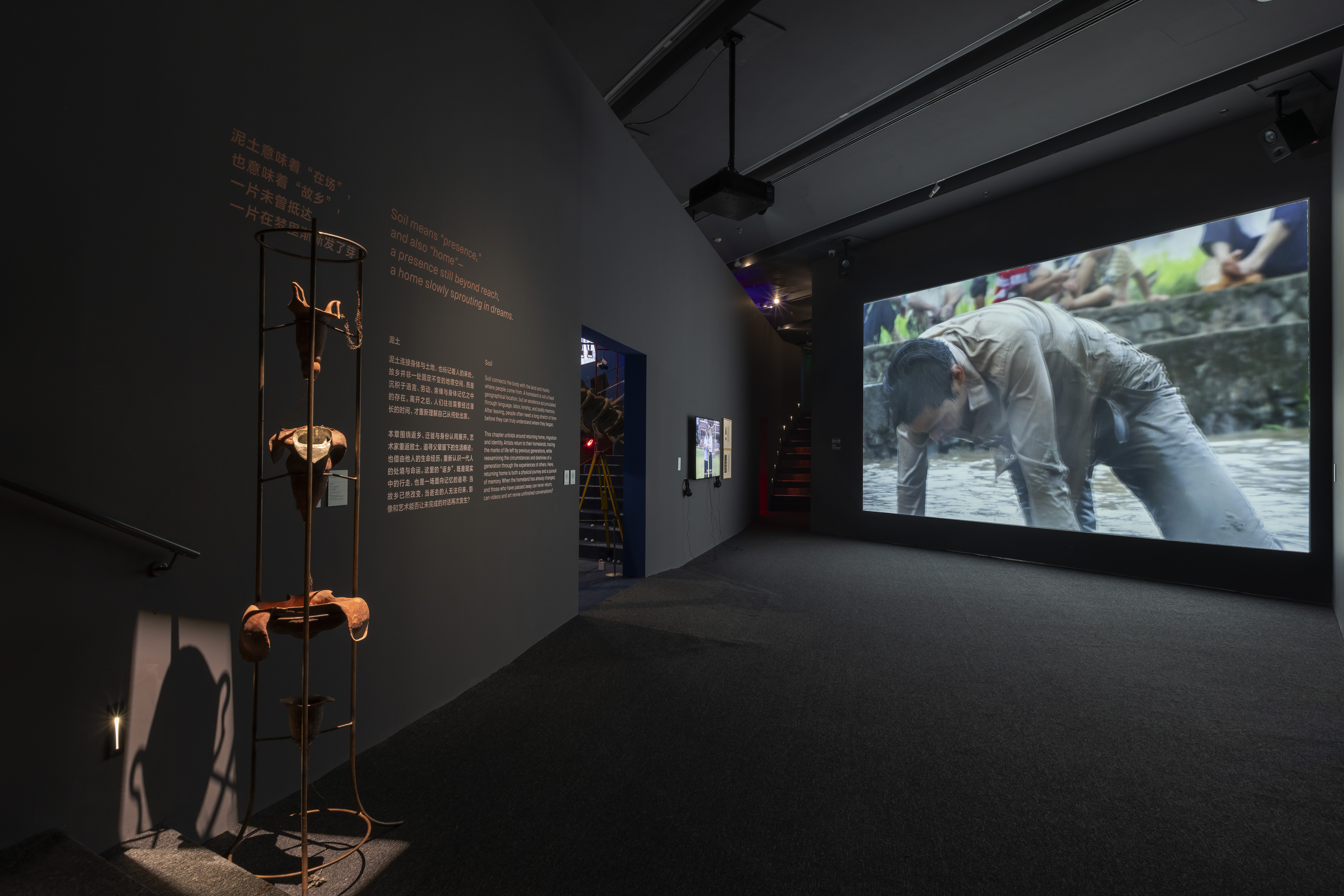
The Prologue presents key works from the Taikang Collectlon, outlining historical coordinates and providing context for engaging with contemporary art since 1996. The exhibition unfolds through five chapters: “Skin” explores intimacy, family experiences, and bodily perception, touching upon the most subtle and sensitive layers of individual emotions; “Wind” turns to urban flows and social realities, reflecting freedom, order, and uncertainty amid rapid change; “Soil” examines homecoming, migration, homeland, and identity, asking how we understand our origins over time; “Trace” reveals memories, fragments, and echoes left by time; and “Stay” questions what allows art to endure, seeking moments that continue to resonate. The Epilogue brings together individual experiences and broader reflections on life, time, and existence.
Marking Taikang’s 30th anniversary, Blues on White also reflects on Taikang’s three-decade journey alongside Chinese contemporary art. Nearly half of the participating artists have developed long-term relationships with Taikang: some are represented in the Taikang Collection and major collection exhibitions, while others are emerging and mid-career artists supported through Taikang Space’s 51 m2 and Light Pavilion, as well as Taikang Art Museum’s Rehearsal. Through collecting, research, exhibitions, and public programs, Taikang has contributed to the development of Chinese con-temporary art, gradually forming its own collecting trajectory and scholarly perspective.
The exhibition invites visitors to recognize individual lives, objects, voices, and memories carried on the winds of our time, and to experience how art cuts through grand historical narratives to return to the most subtle yet enduring aspects of lived experience. The moments that are seen, touched, narrated, and preserved become entry points for understanding the present. Art is never distant from life; it accompanies us in perceiving, understanding, and inscribing the present.
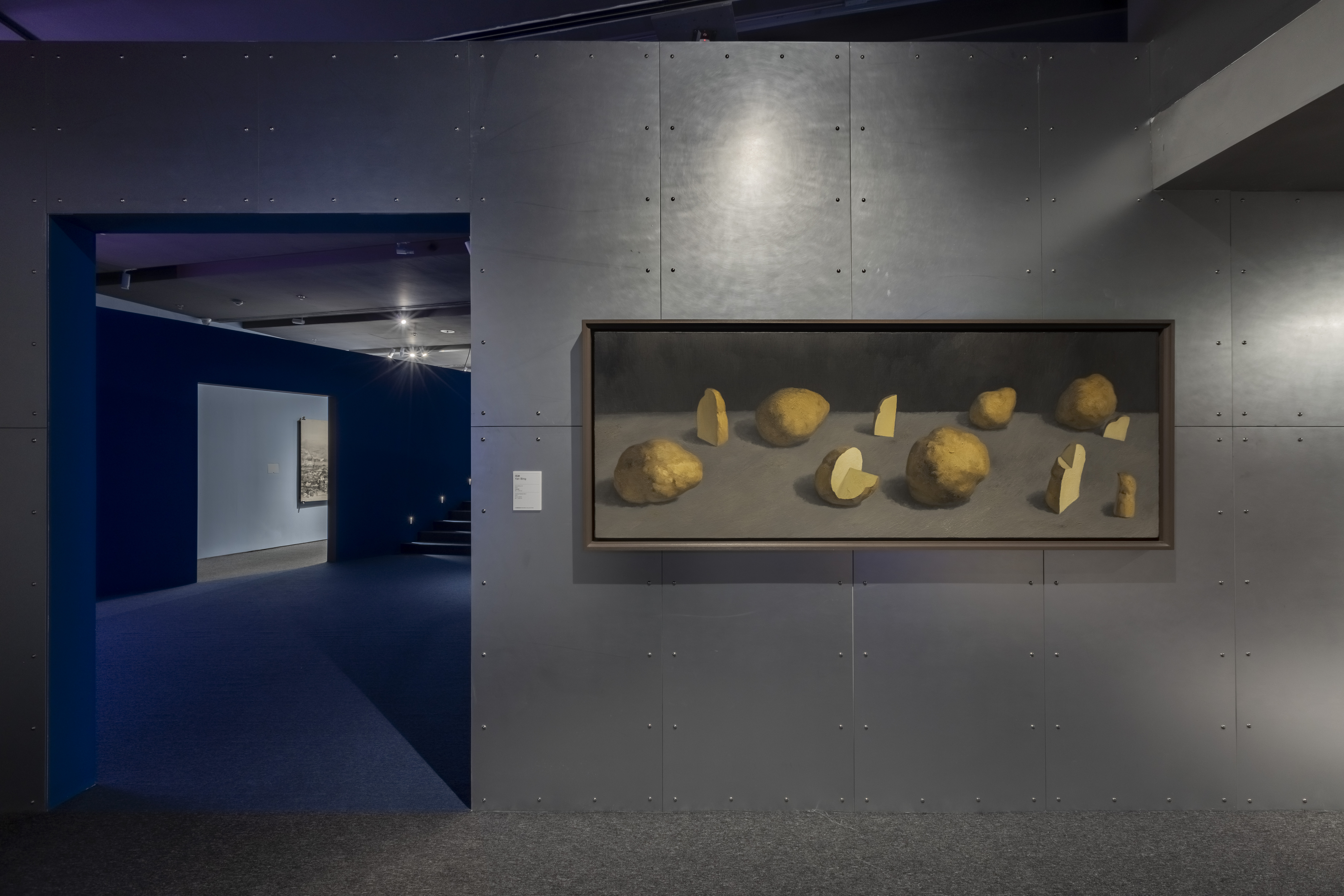
INSTALLATION VIEWS