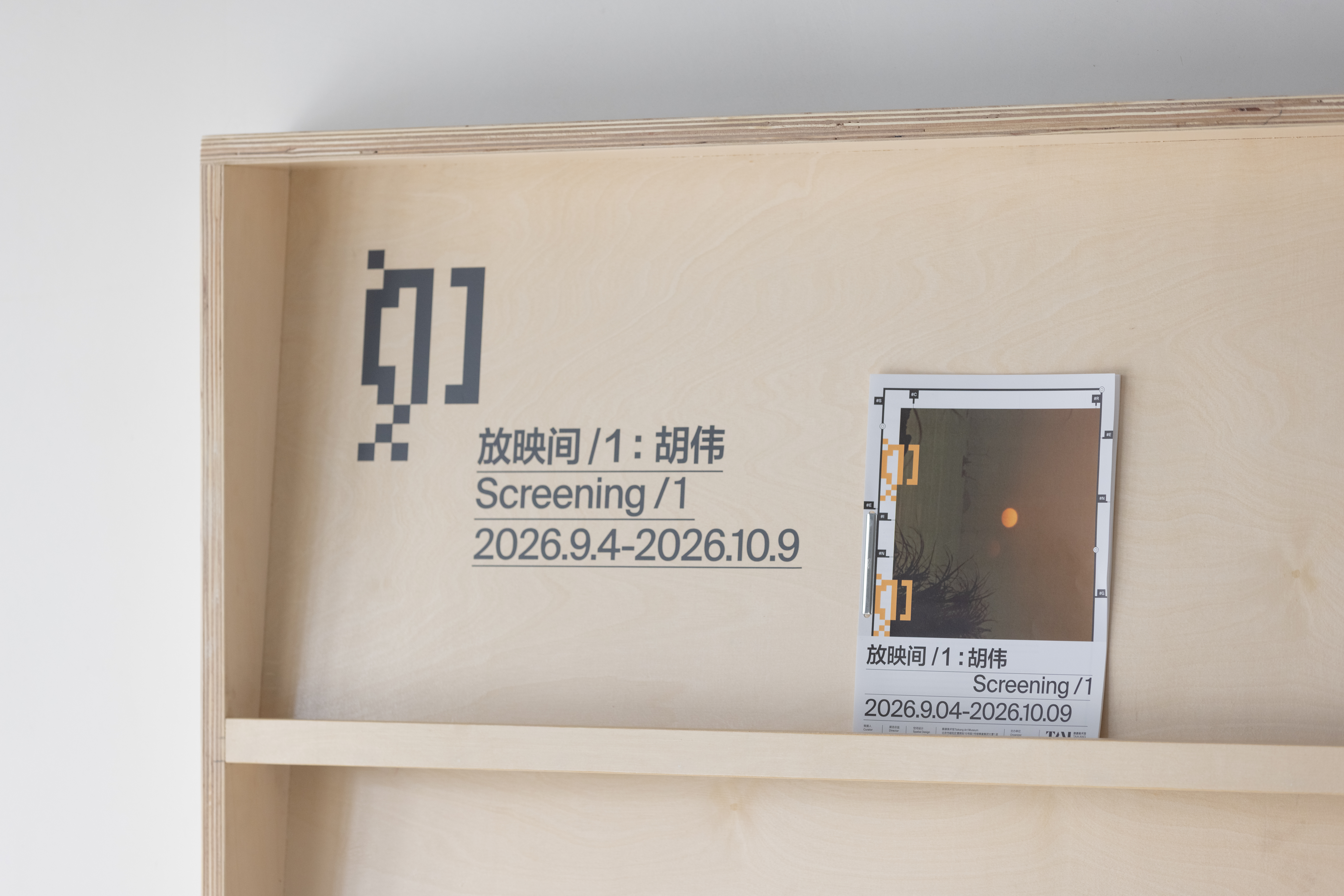

2026.09.04 - 2026.10.09
TAM Screening / 1: Hu Wei
- OrganizerTaikang Art Museum
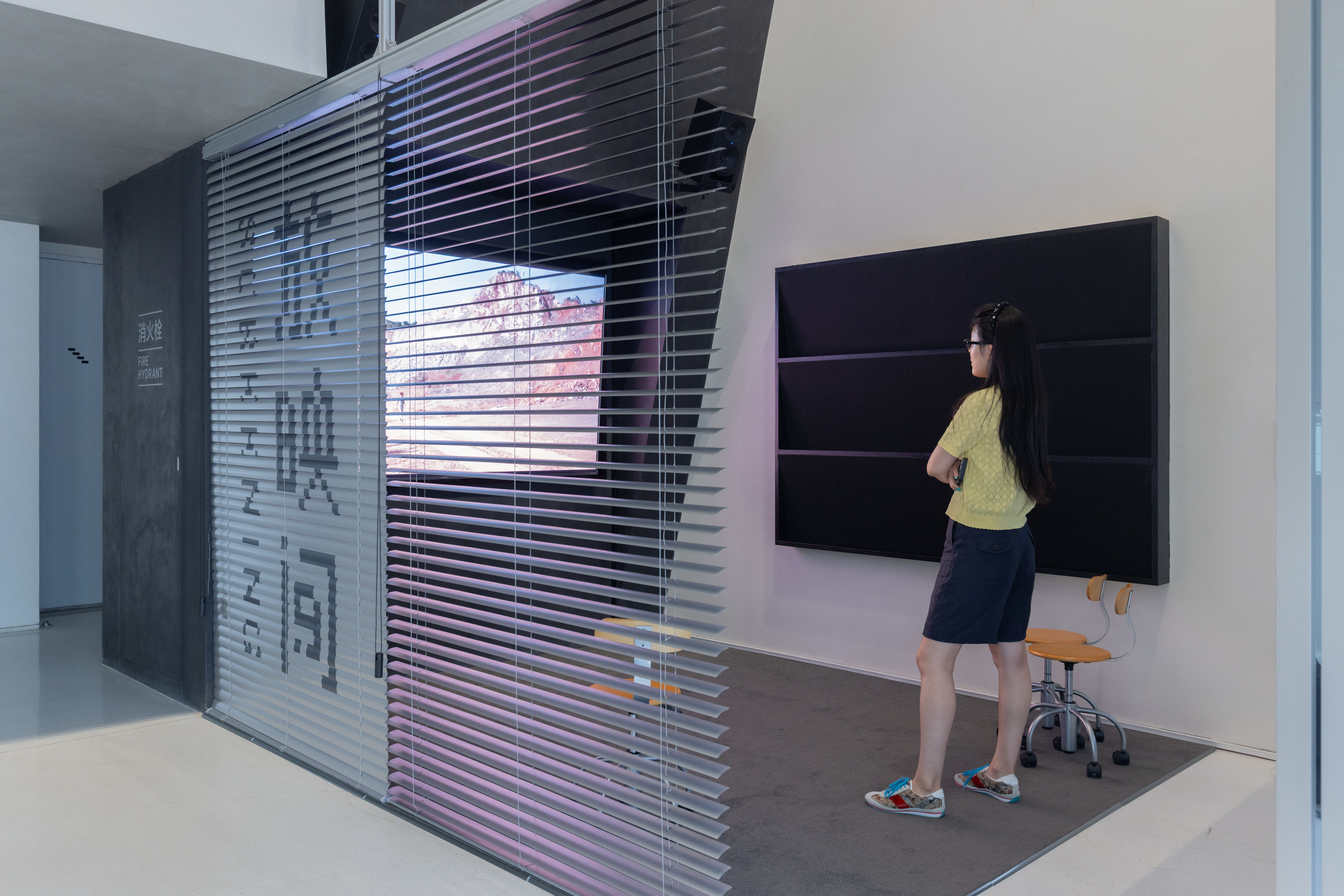
- Venue1F, Building 1, Yard 16, Jinghui StreetBeijing Taikang Group Building
- Spatial DesignYan Zhou
- DirectorShirley Liu
- CuratorXin Yunpeng
- ArtistHu Wei
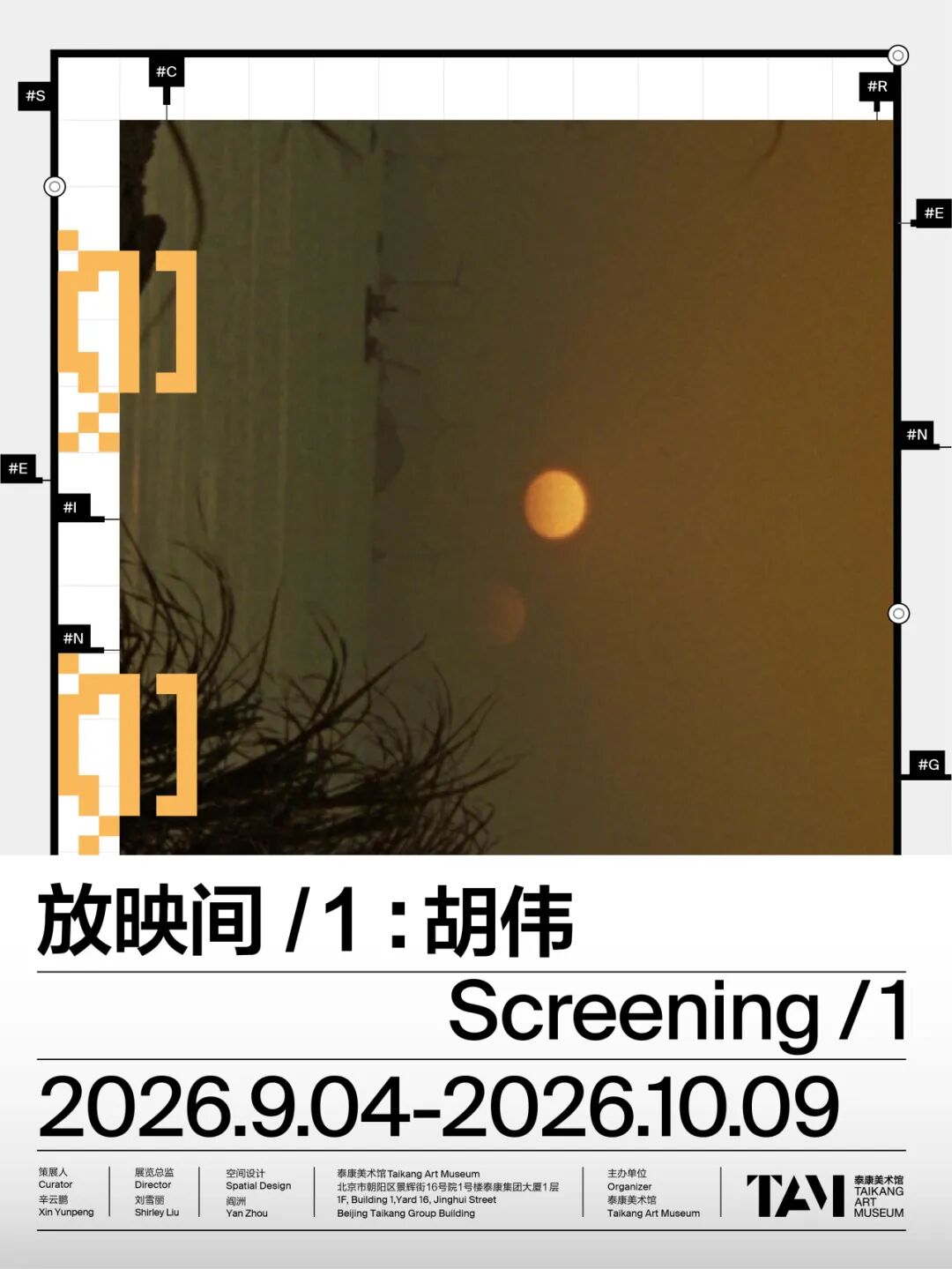
Based on the practical foundation established through the ongoing TAM Rehearsal Project, dialogue around artistic practice itself will be integrated into the core scope of institutional work. It is in this context that Screening emerges as an extension project—one that takes video as its medium and deep exchange as its goal. Video, by its very nature as a textual medium, provides not simply something to be viewed, but material that can be read, revisited, and discussed repeatedly. Starting from September 4, 2026, Taikang Art Museum will launch five installments of Screening, each featuring a different video artist, creating opportunities for encounter and exchange between works and audiences.
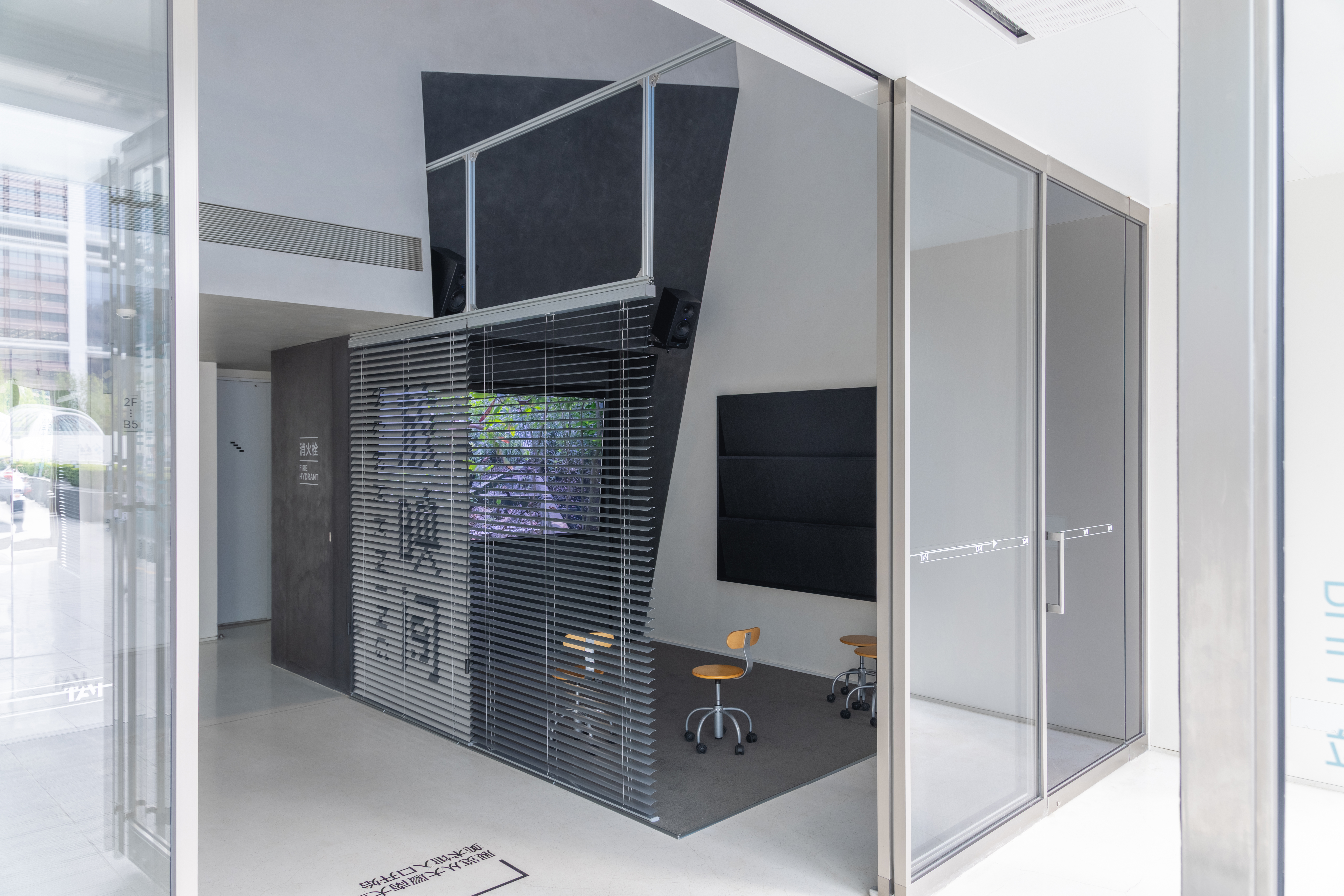
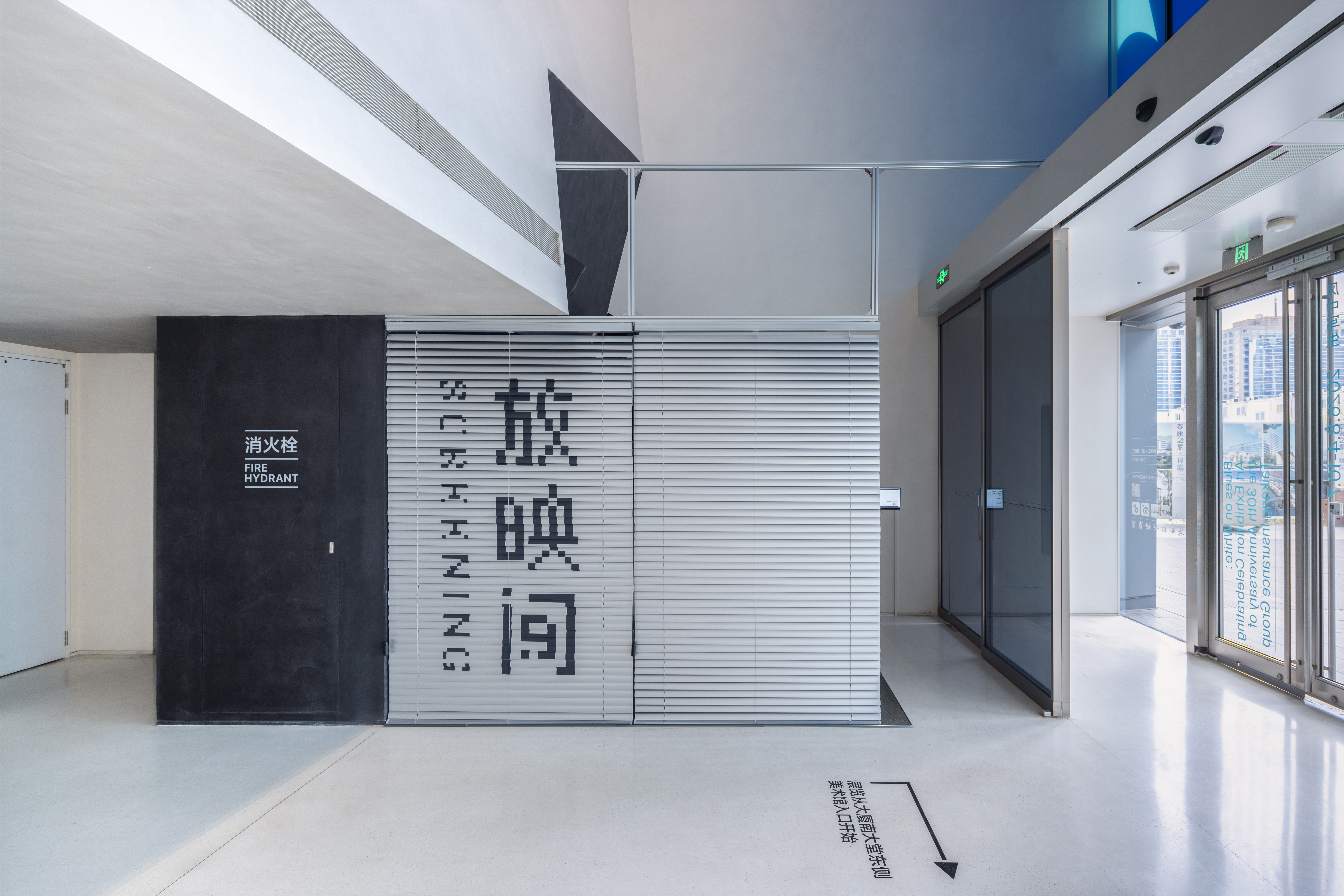
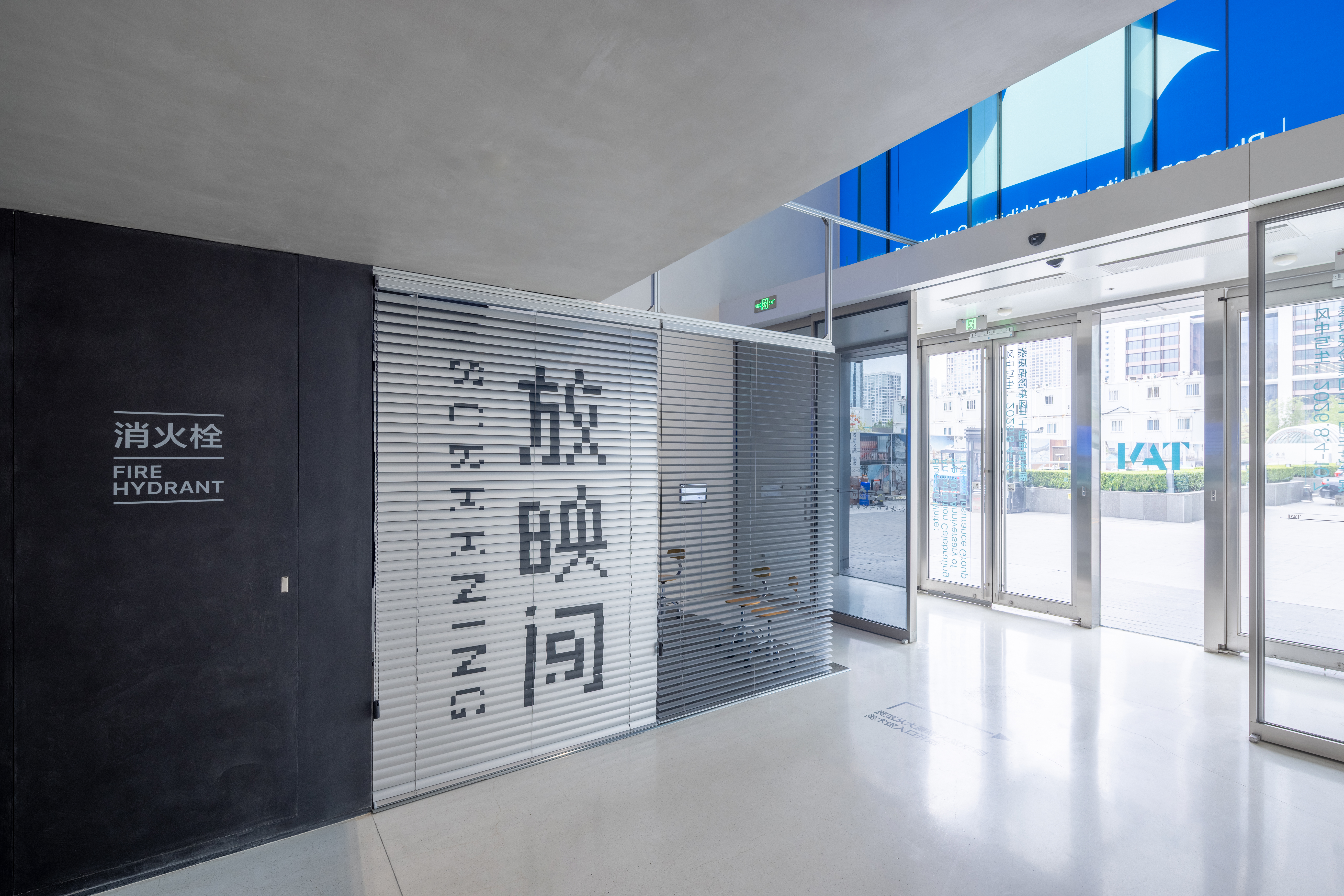
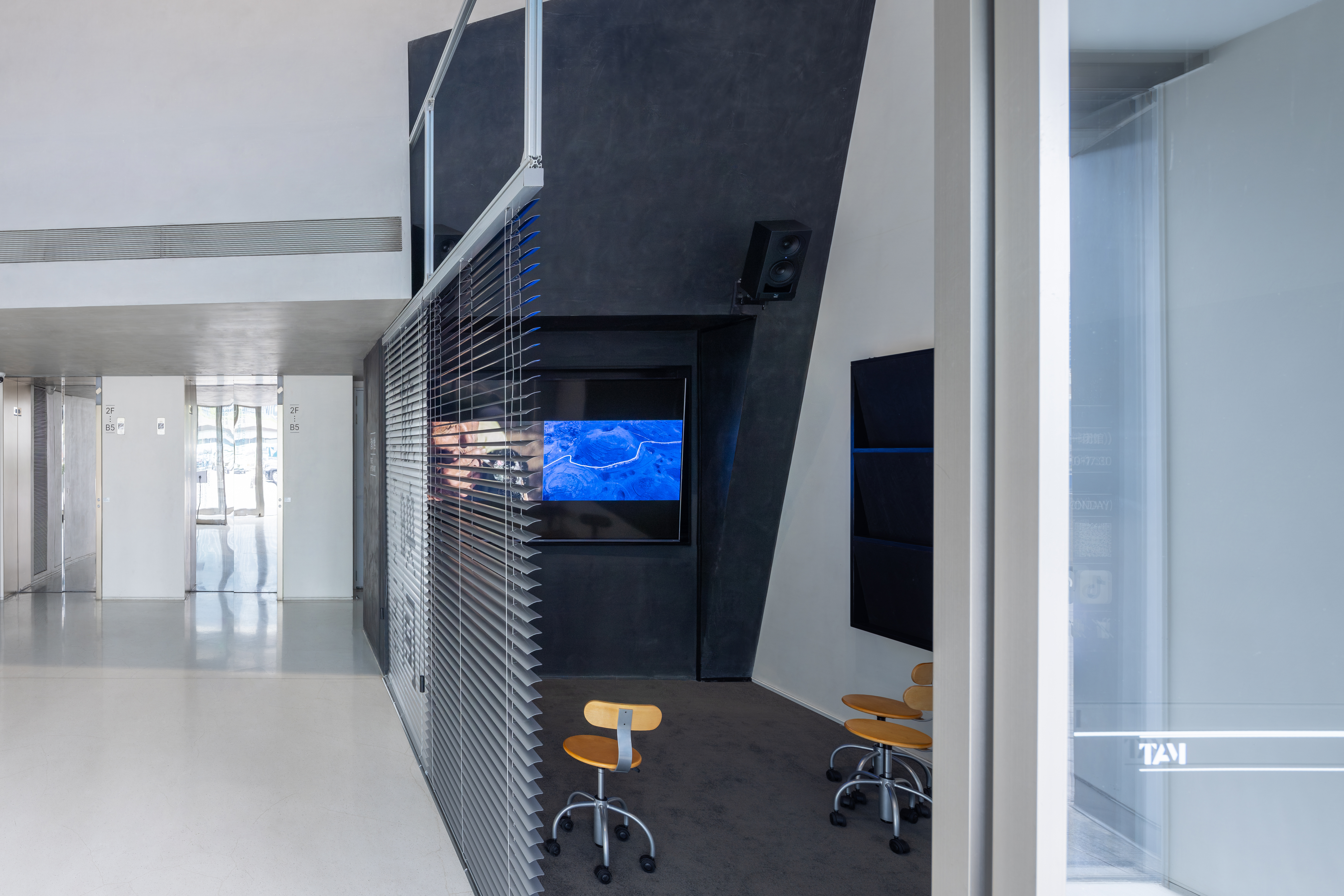
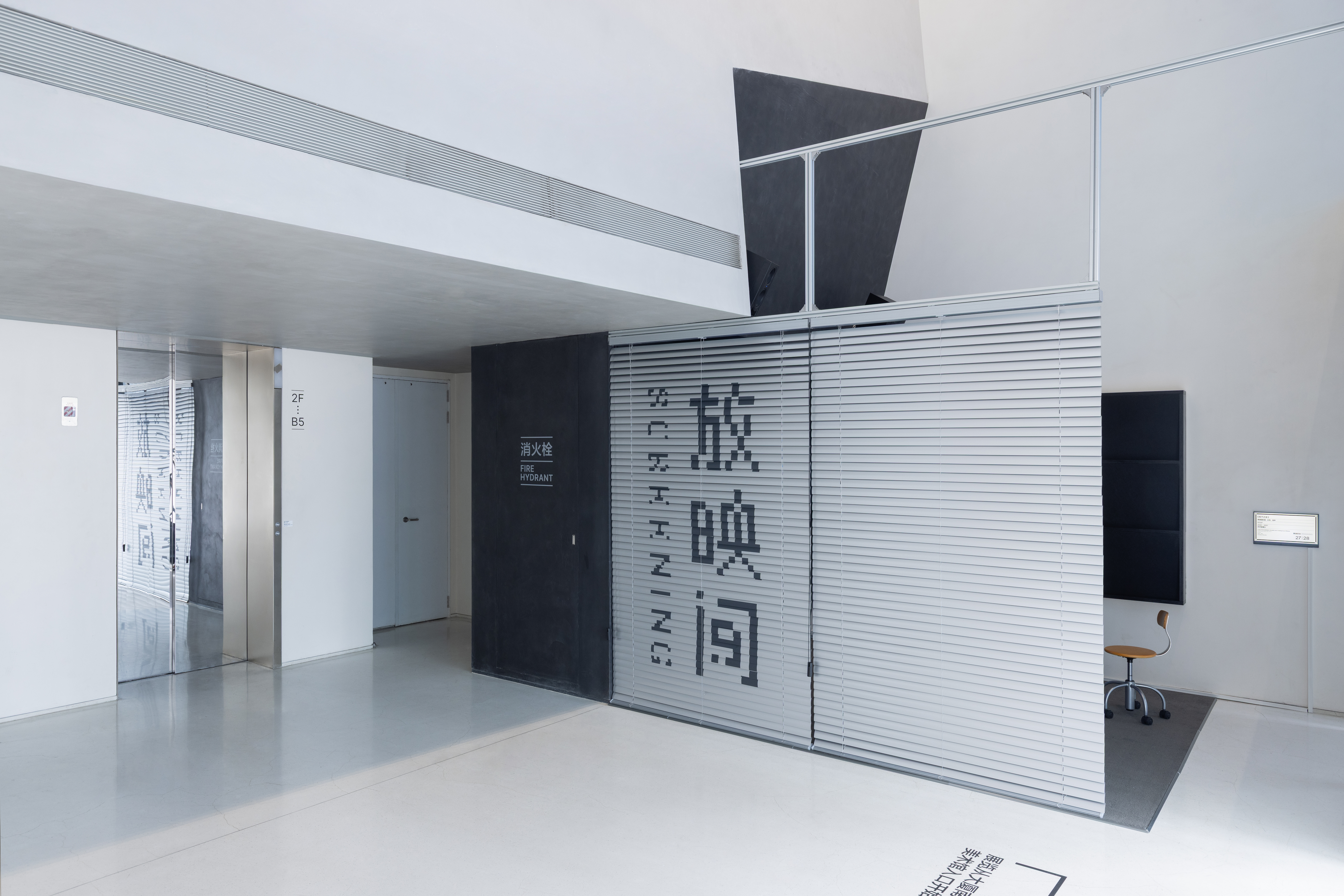
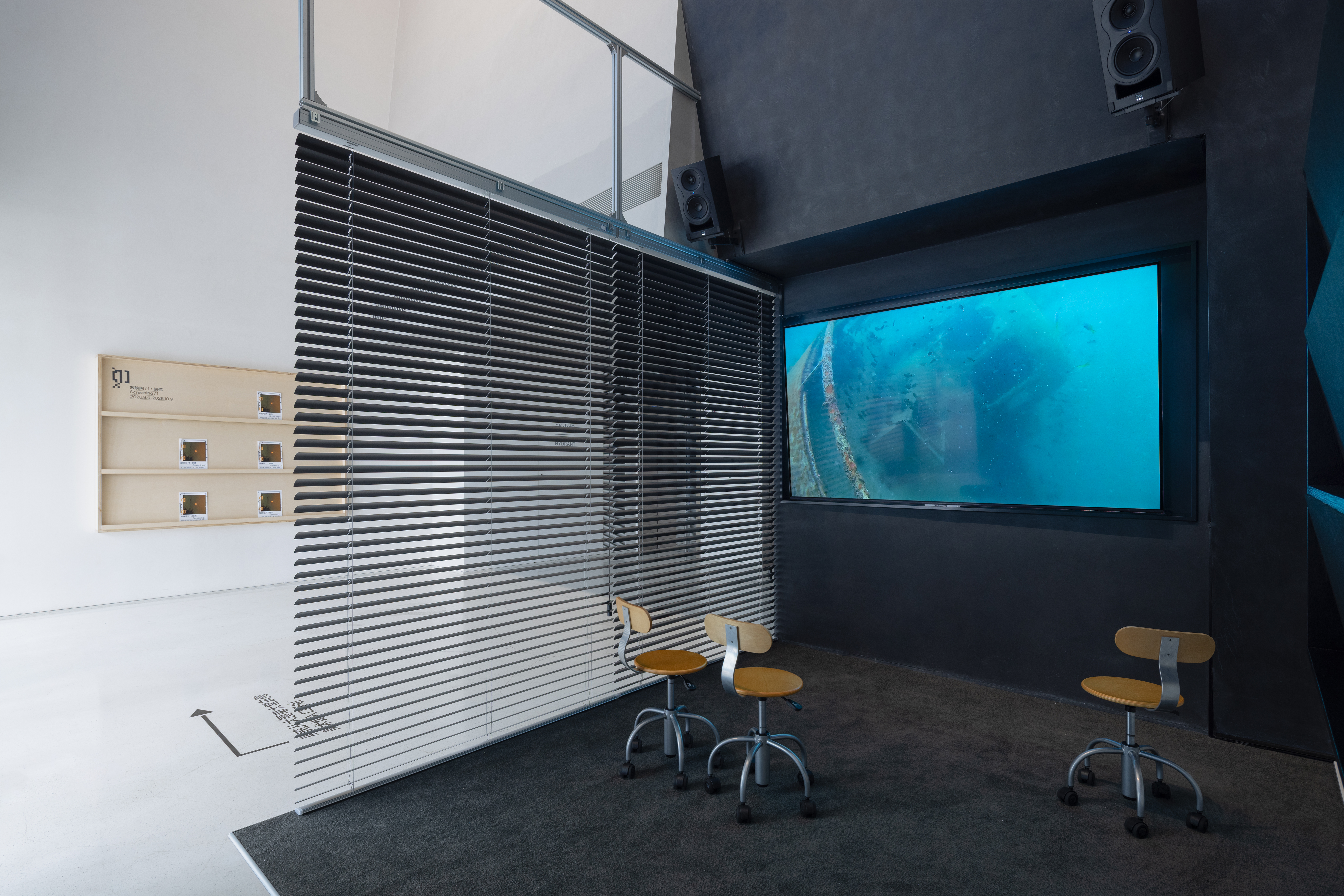
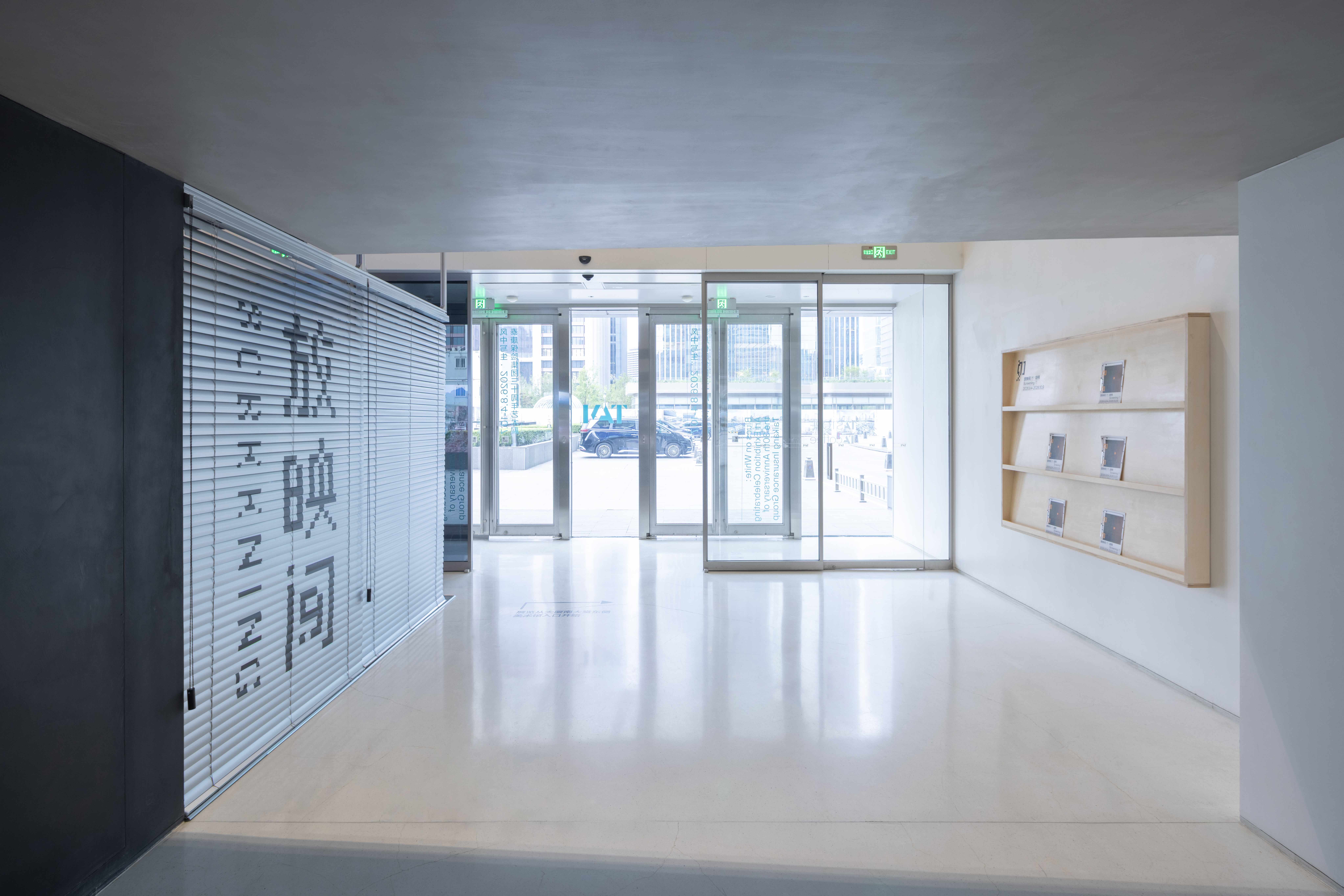
As an extension of The Rehearsal Project: A Solo Exhibition Series into the field of video art, Screening maintains a sustained focus on video-based practice of representative and research value. Through exhibition, research, and dialogue, the program enables the museum to develop a long-term critical engagement with contemporary video art. Each iteration of Screening features a single artist, presenting a selection of their video works in the museum’s first-floor exit space. The program is free and open to the public. During each presentation, the museum organizes special screenings events, artist talks, post-screening discussions, and related public programs, creating a space where the viewing of works and critical conversation unfold together. Screening also contributes to an ongoing archive of artists’ projects, building a cumulative record of works and dialogue. Over time, it aims to establish sustained research threads and a public discussion platform centered on contemporary video practices at Taikang Art Museum.
Over the past two years, artist Hu Wei’s practice in moving-image has gradually evolved into a critical mode of writing and image-making that takes “cinema as a method.” Grounded in thematic field research, he moves beyond merely documenting reality with a camera, persistently interrogating how the mechanisms of image production themselves participate in historical narration and the construction of power. Hu’s distinct approach asks a recurring question: when “stories” and “the ways memory is organized” are themselves forms of power, how can an artist give new form to silenced experiences without reproducing the violent structures embedded in them? This dual commitment — to field research and to formal self-awareness — gives his work a rare density and precision.
Screening Works
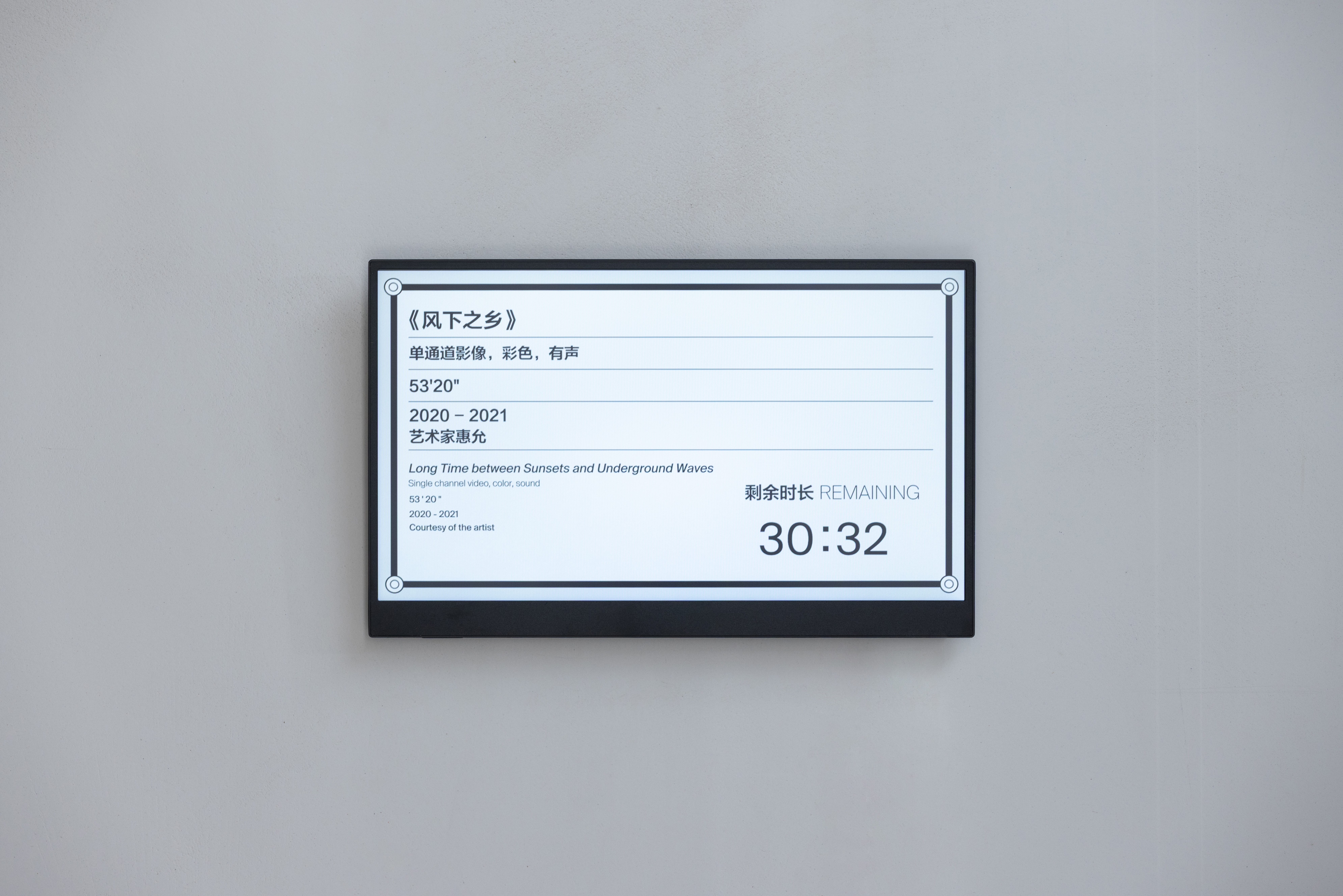
Long Time between Sunsets and Underground Waves, 2020 – 2021, Single-channel color video with stereo sound, 53 min 16 sec
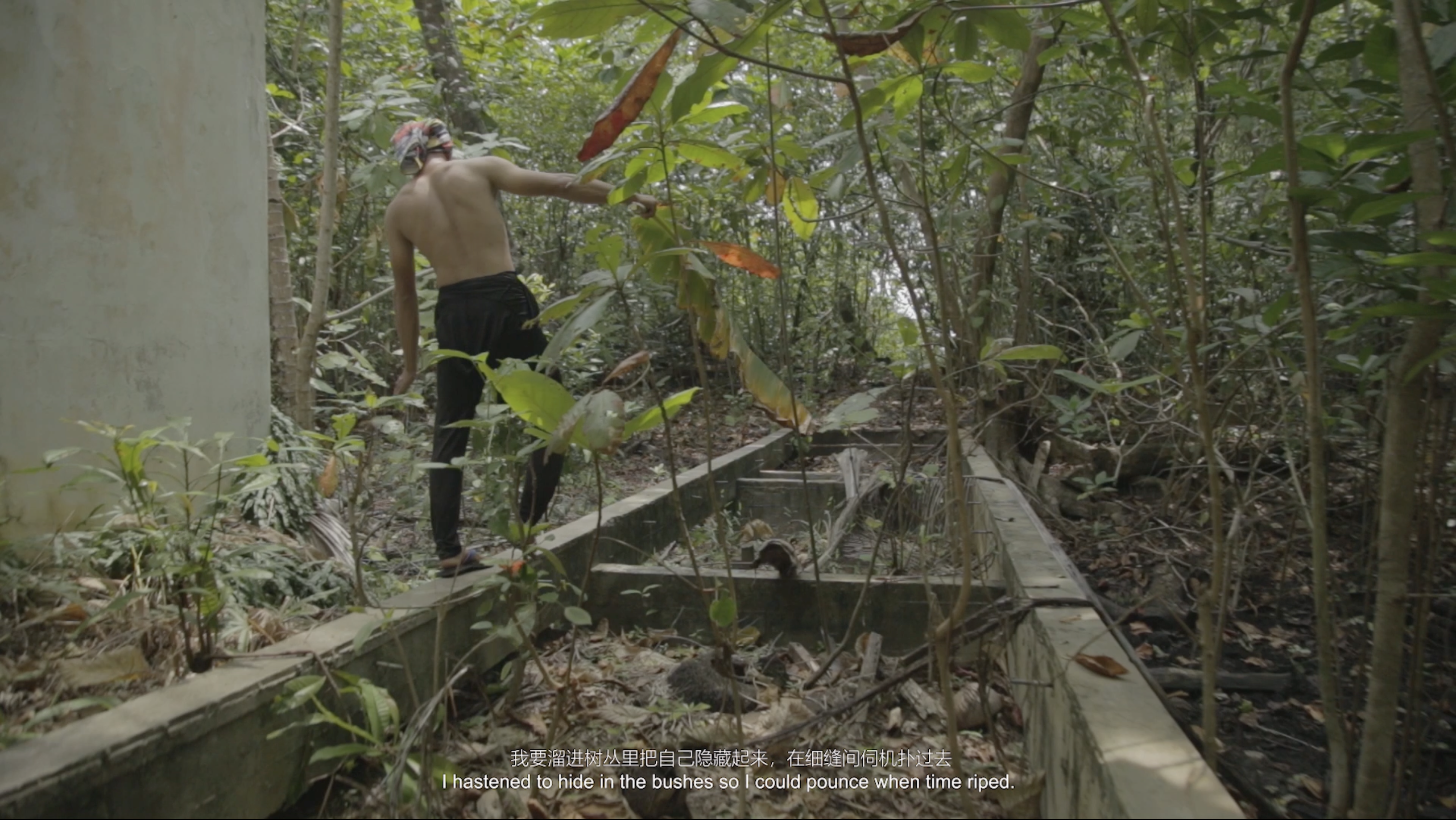
Long Time between Sunsets and Underground Waves examines the mutual interventions between human activity and nature from the perspective of an island. Adopting a semi-documentary, semi-fictional approach, the film explores the complex relationships among the island’s economy, geography, and biopolitics. It brings together several narrative threads: migrant workers holding refugee visas on the island; legends of the Bajau, stateless maritime nomads whose stories have circulated across the sea; and the image of the mythical deep-sea creature known as the “Capricorn.” Through these intertwined threads, the film reflects on how human activity and nature intervene in and resist one another, as well as on the dispersal and dwelling of the “stateless” amid the undercurrents of history.
Cavity of Memory, 2025, Two-channel video (colour, stereo sound), 22 min 24 sec, Commissioned by Rockbund Art Museum
The artist envisions the mountainous landscape of southwest China as a kind of “film apparatus.” Here, local people imagine the mountains as the human body, with rivers, ridges, and valleys corresponding to different parts of its cavities. Multiple invisible paths traverse this terrain, forming both geographical networks of migration and a form of spiritual infrastructure constructed by priests through cognitive models that enable them to perceive external space and time and to “navigate” souls. However, in recent decades, this psychotechnology and the networks of mourning woven through it have been increasingly compressed and severed by a linear conception of history imposed in the name of modernization. Ancient memories have quietly fractured and faded amid successive waves of technological change. The film invites viewers to sense a journey that never truly existed—a passage surrounded by spirits and directed toward an apparition. At the same time, it reflects on the structural violence embedded in the ways cinema, illusion, and memory are organized.
The World of the Hard and the Soft, 2016, Single channel video (color, sound), 16’19”
The title of the work, The World of the Hard and the Soft, is taken from Kevin Kelly’s book New Rules for the New Economy. In the book, Kelly boldly forecasts future economic models and modes of production. Beginning with the artist’s personal experience of physically transforming his body, the work critically examines the disciplining of the body in contemporary society and the relationship between bodily construction, efficiency, and achievement. As part of the artist’s broader exploration of the politics of the body in contemporary society, the work resonates with the historical and geopolitical concerns explored in his other works, establishing a dialogue between the macro and the micro.
Hard Heart, 2014, Single-channel video (colour, sound), 22’17”
The two protagonists in the video—the artist himself and a friend—embark on a strange, unscripted journey through the urban-rural fringes and suburbs of Beijing. Starting in the densely populated city center, they use Google Maps to search large green areas, attempting to locate and speculate about possible traces of industrial activity. The journey unfolds through a series of disconnected episodes. Along the way, they discover potential creative materials and collect objects from everyday life. The video reaches its climax with a panoramic view of their predetermined destination: a quarry, or rather, a raw-material plant supplying stone and quicklime for Beijing’s rapid urbanization. Atop the mountain, the two protagonists improvise a performance using the materials they have collected, continuing until nightfall.
INSTALLATION VIEWS