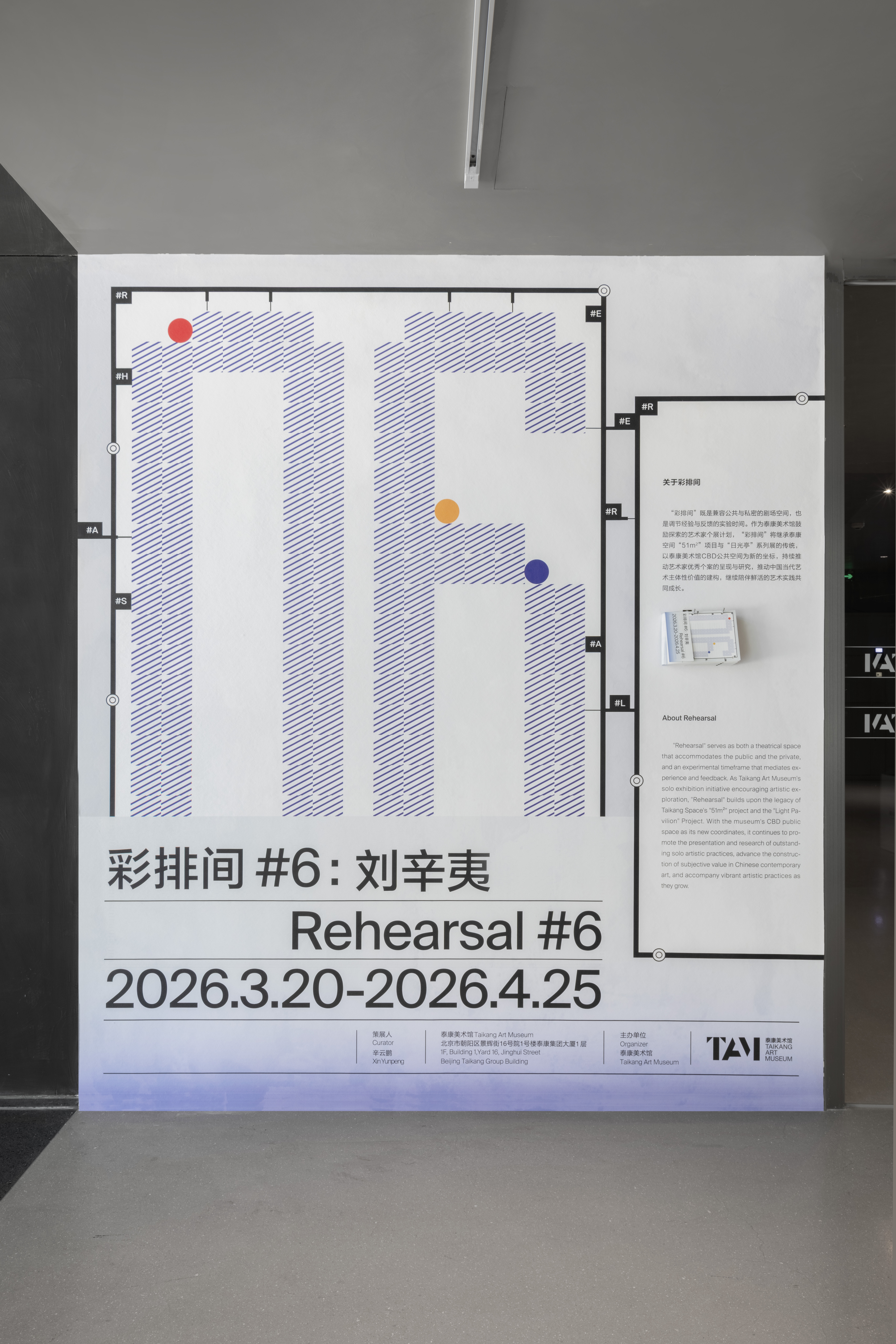

2026.3.20-2026.4.25
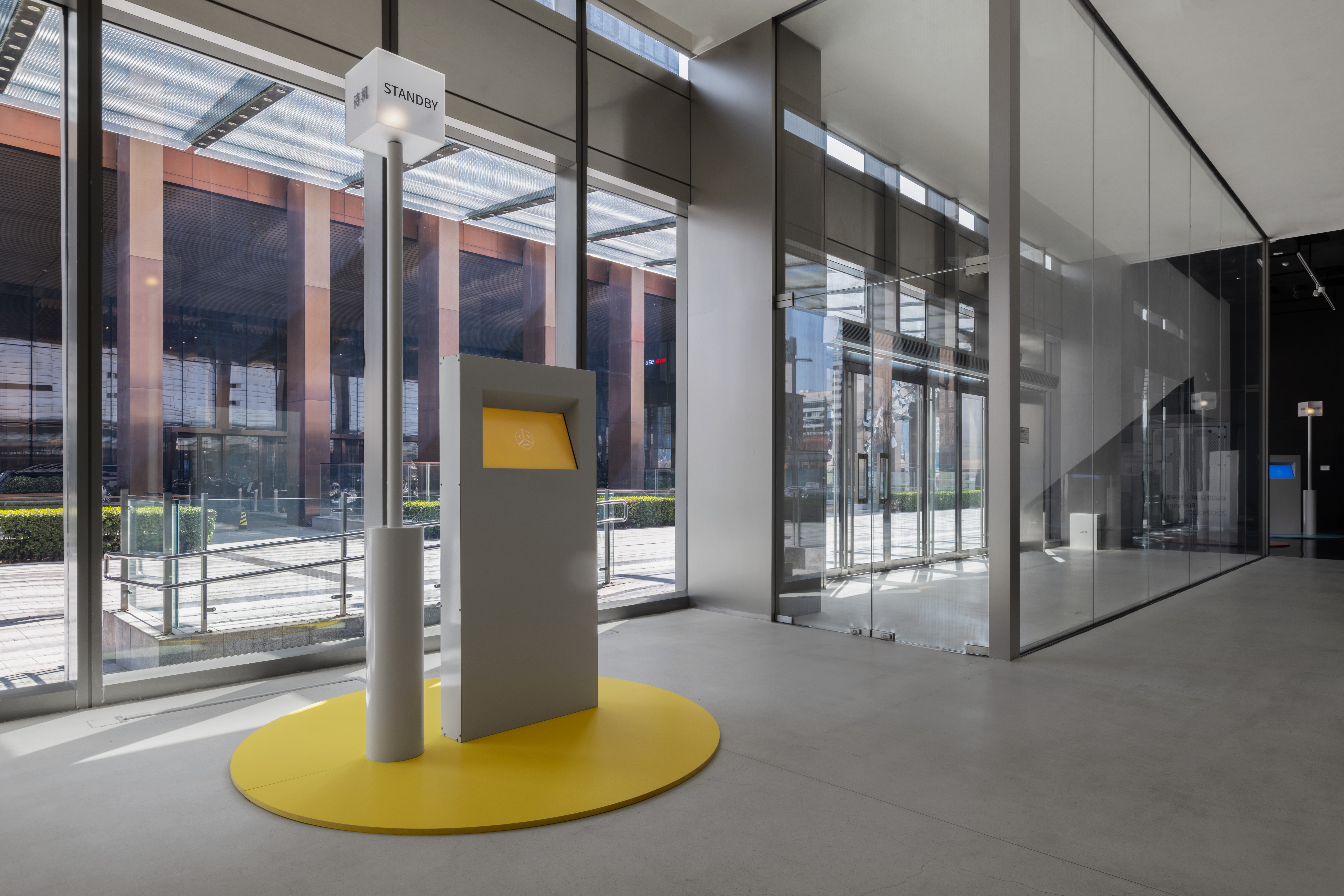
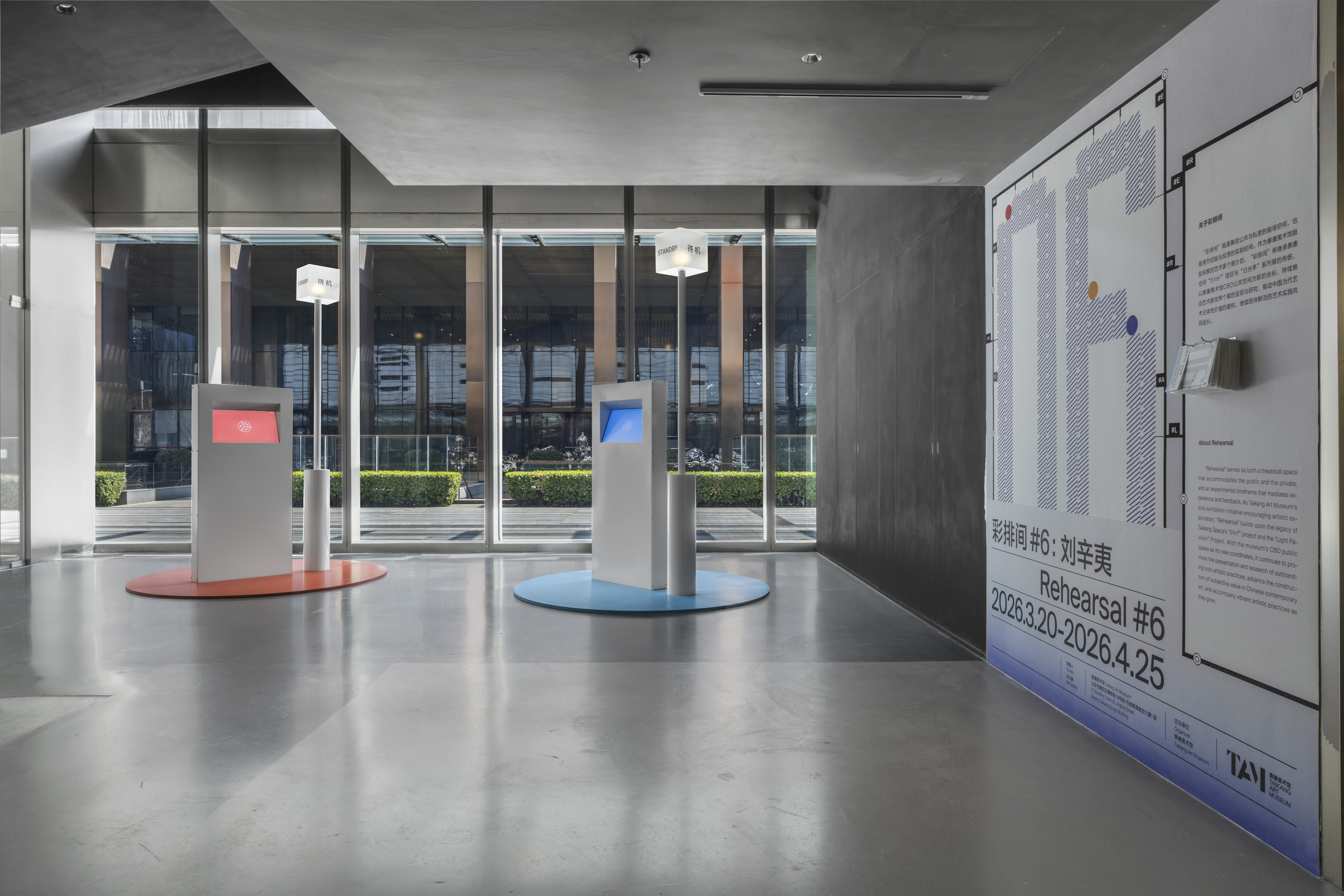
Liu Xinyi: Standby
- Duration2026.3.20-2026.4.25
- Opening hourTuesday - Sunday 10:00-17:30
- AddressTaikang Art Museum, 1F Taikang Art Museum, Building 1, Yard 16, Jinghui Street,Beijing Taikang Group Building
- ArtistLiu Xinyi
- CuratorXin Yunpeng
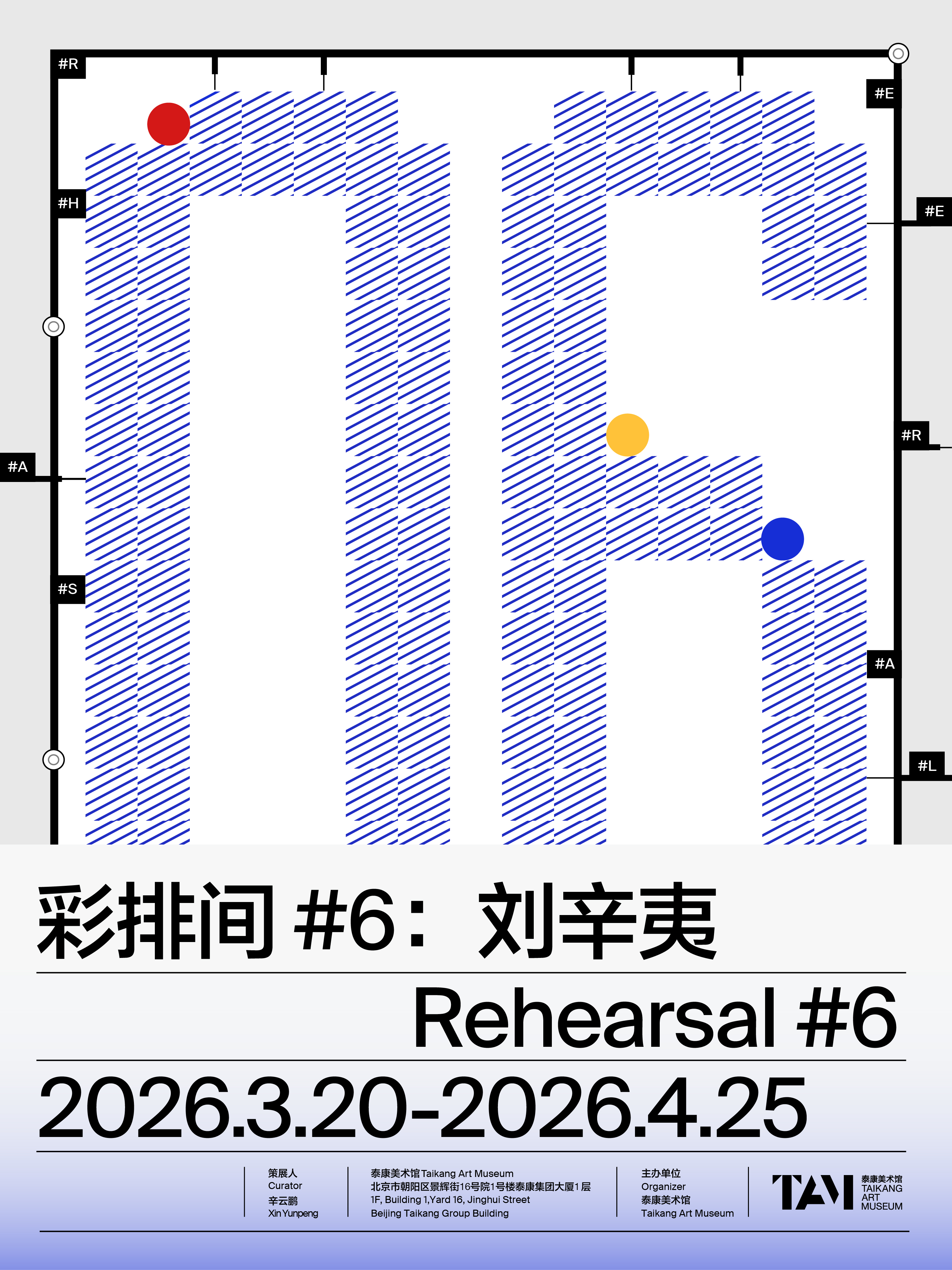
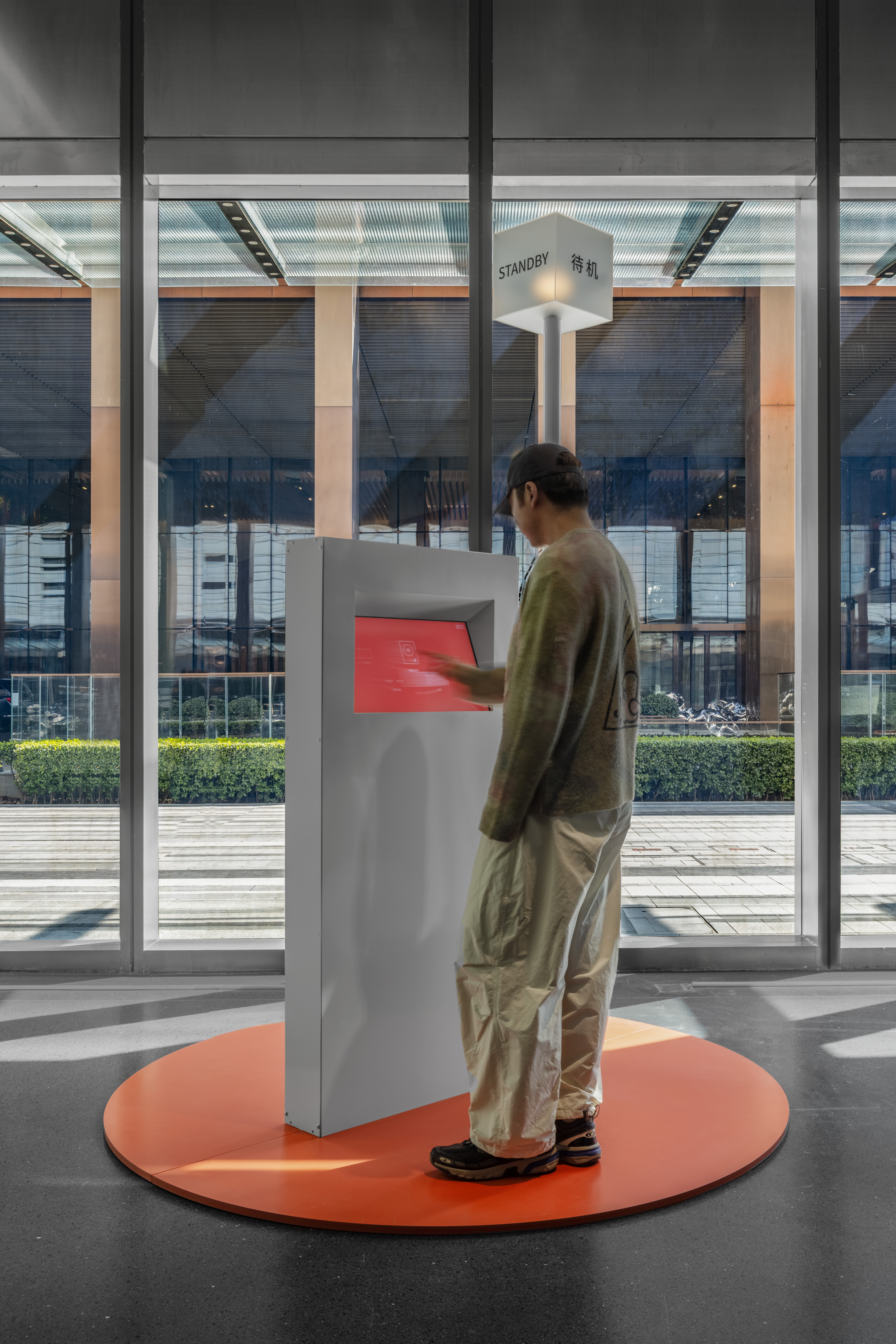
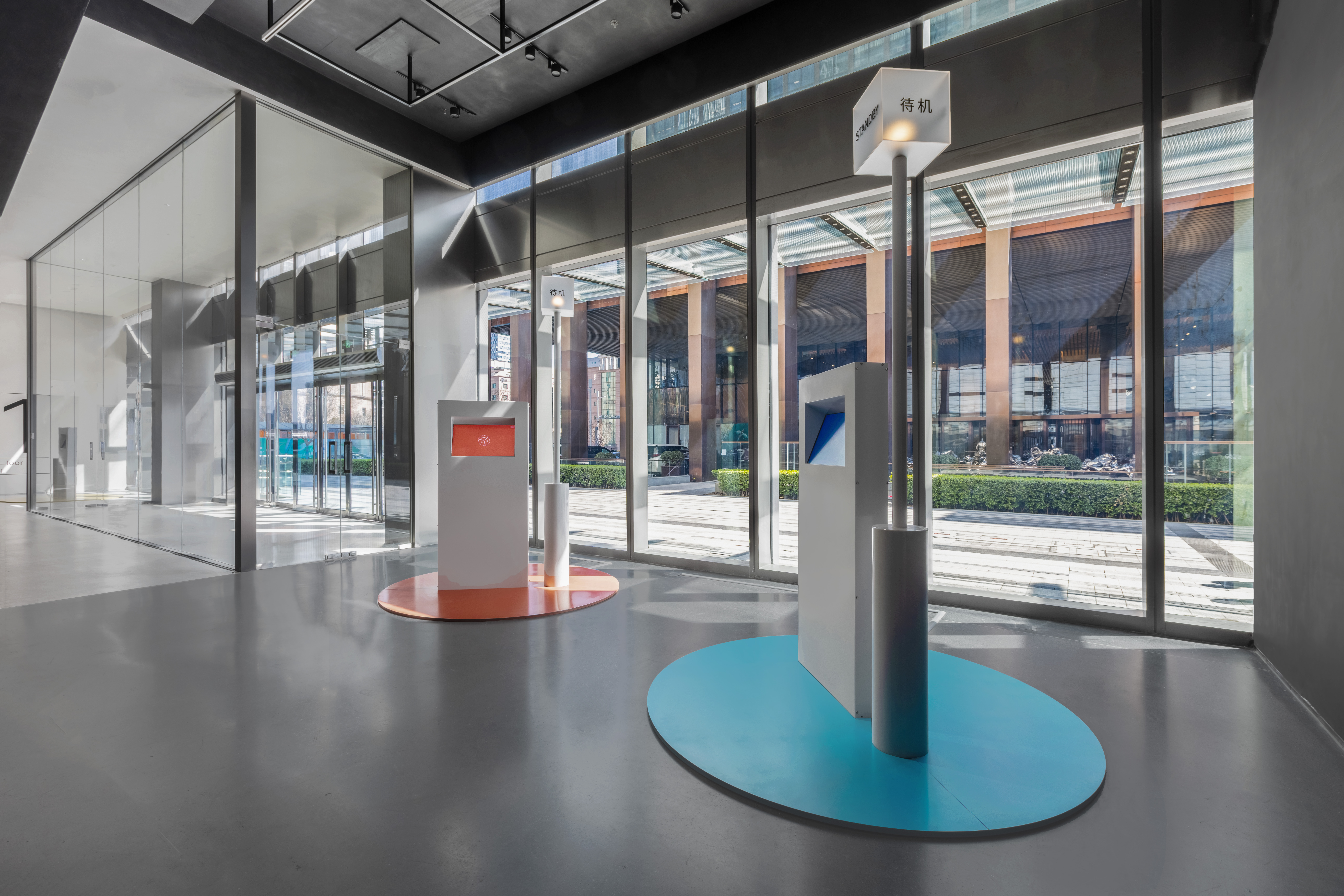
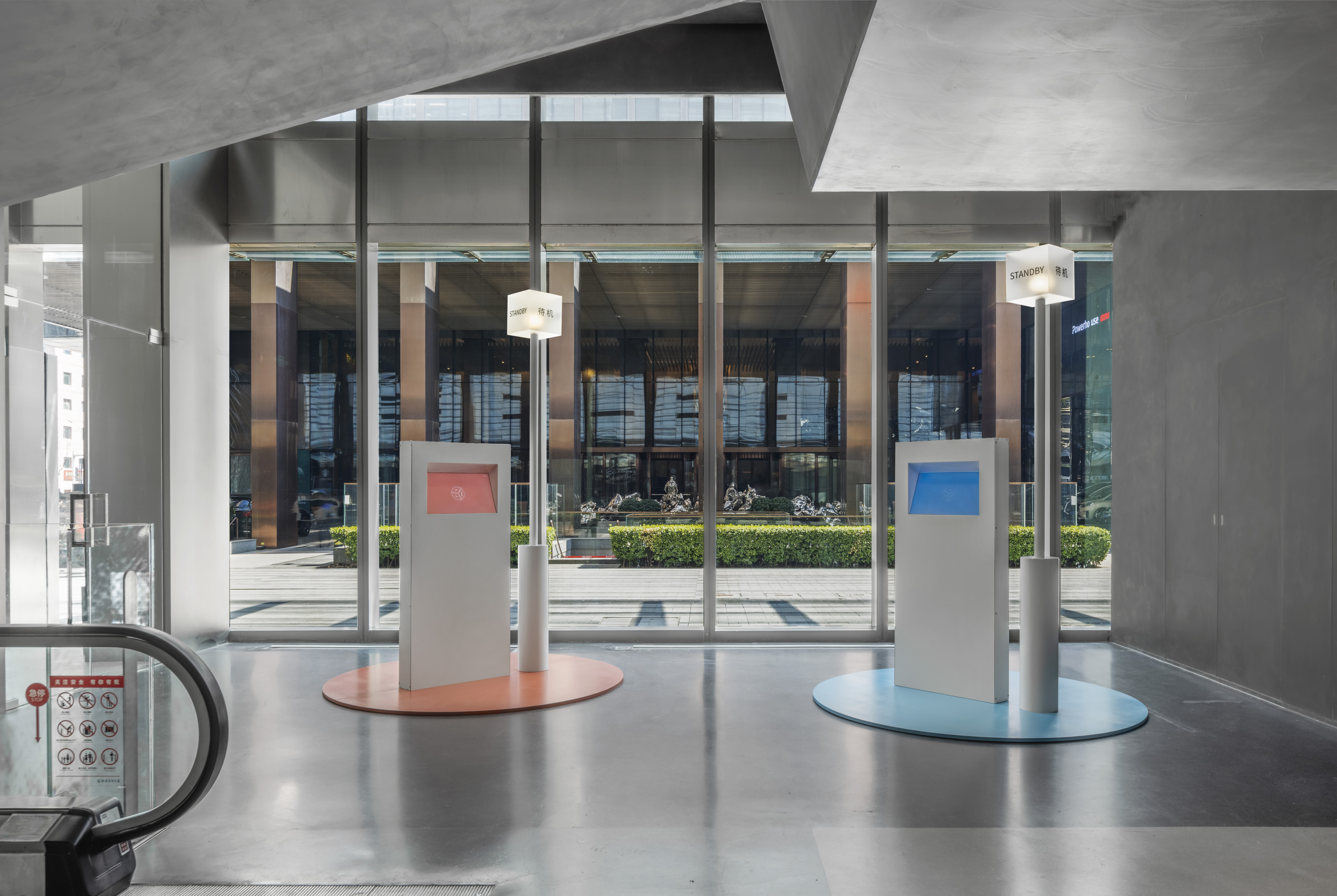

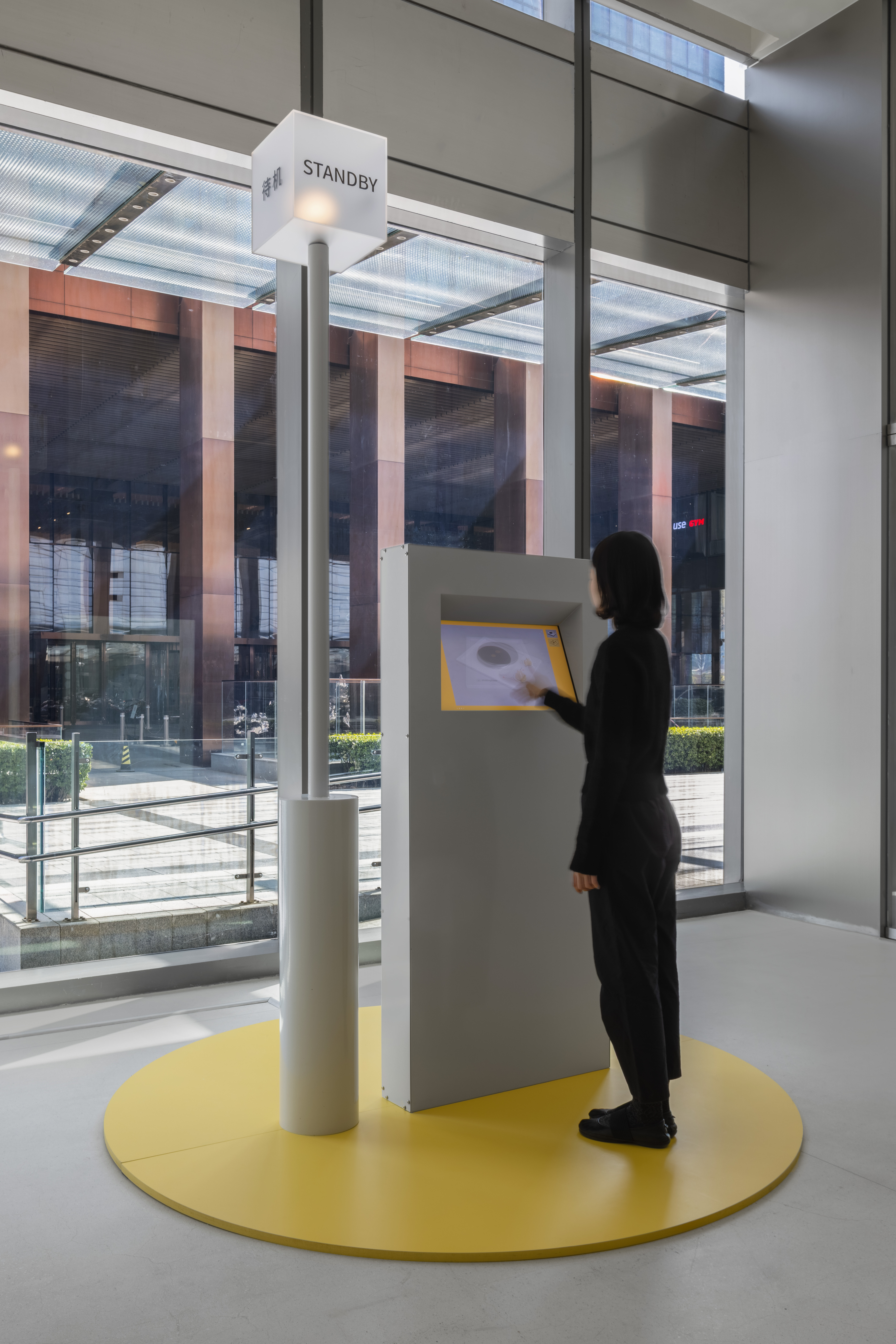
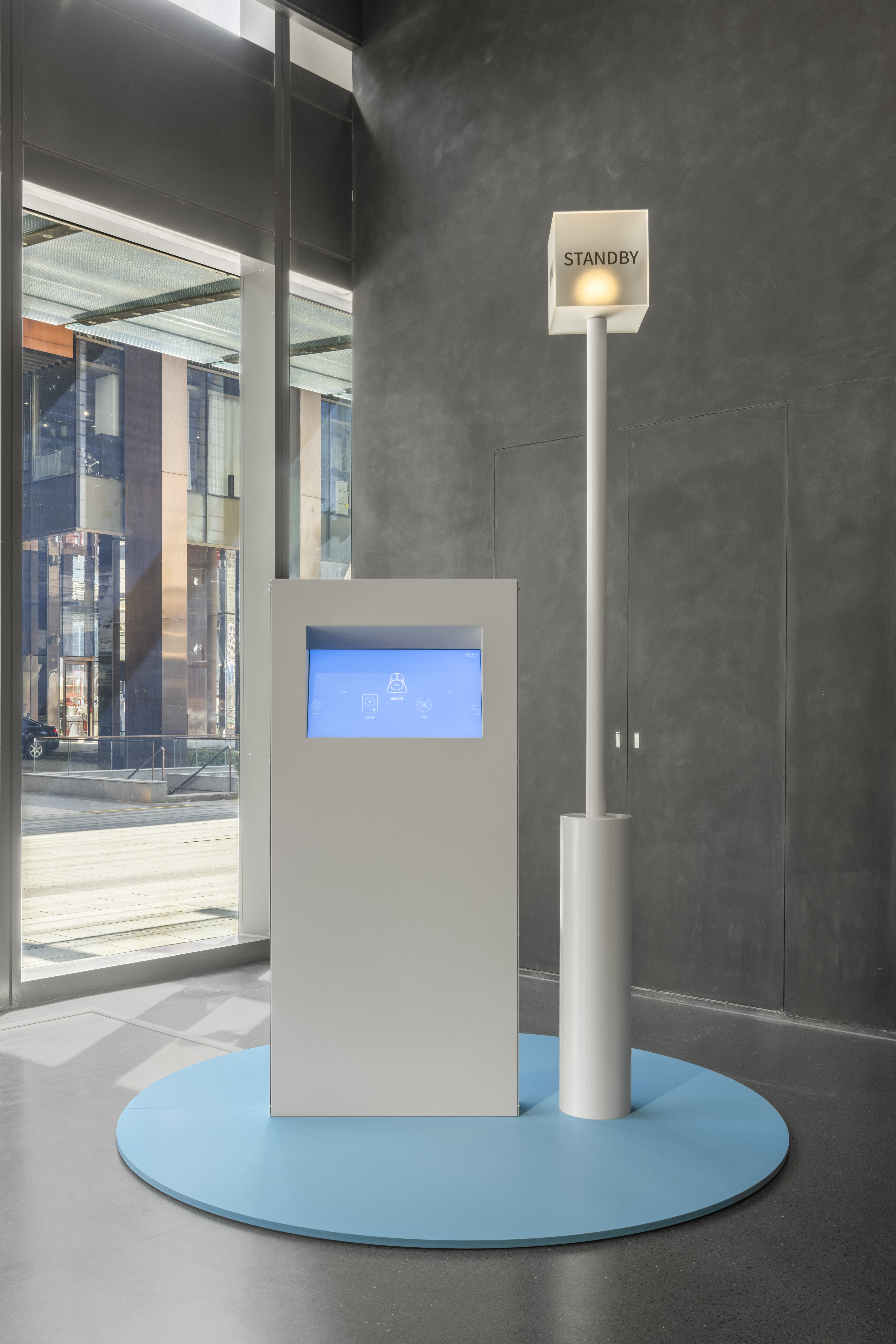

The first program of 2026 and the sixth installment of the “Rehearsal” solo artist exhibition series. Taikang Art Museum has commissioned artist Liu Xinyi to create a new work, “Standby”.
Liu Xinyi’s work has already been widely discussed within the art world. It is not difficult to see that he is particularly inclined to create within “specific sites.” He is able to skillfully shift between different “languages” to adapt to complex “environments,” drawing everything around him into the context of his work. The more challenging the site appears to be, the more clearly audiences can perceive his personal charisma. Whether in the pristine white spaces of galleries and museums, inside residential apartments, or within idle museum exhibition halls, Liu Xinyi is able to transform them into spaces organically integrated with his work—turning them into the “soil” necessary for his practice, leaving foot prints to guide viewers into his artistic world.
Liu Xinyi is one of the few artists who approaches the question of “difference” from a distinctly personal perspective. Rather than dialectically weighing different voices surrounding various social issues, he refuses to position himself in a fixed place merely to appeal to a fixed audience. Instead, he allows his own complexity to become a stance that must be communicated.
Looking back, Liu Xinyi’s earliest works and projects presented at Taikang also marked the starting point of his awareness of China’s social field. In his early work Pacifying the World (2013), we can glimpse the youthful uncertainty of a young person living within a globalized world while confronting an unpredictable future. A certain systemic crisis began to emerge clearly and decisively in Liu Xinyi’s early works, articulated through a concise and powerful language. These works are “delicacies” that can be tasted without explanation—yet awkwardly difficult to swallow. This is precisely the contemporary context Liu Xinyi brings to us.
The mark of Liu Xinyi’s maturity perhaps does not come from commercial success. On the contrary, many of his most resonant works are difficult for the contemporary art market to digest, and the production budgets for many of them are extremely limited. He has never equated maturity with the “production of symbols,” nor transformed the insight within his works into salable products. Carefully, he stops exactly where he senses he should stop—observing, reflecting, and continuing his work. As a curator working with Liu Xinyi, all I need to do is wait—wait for his thoroughness, and wait for his audience.
INSTALLATION VIEWS