
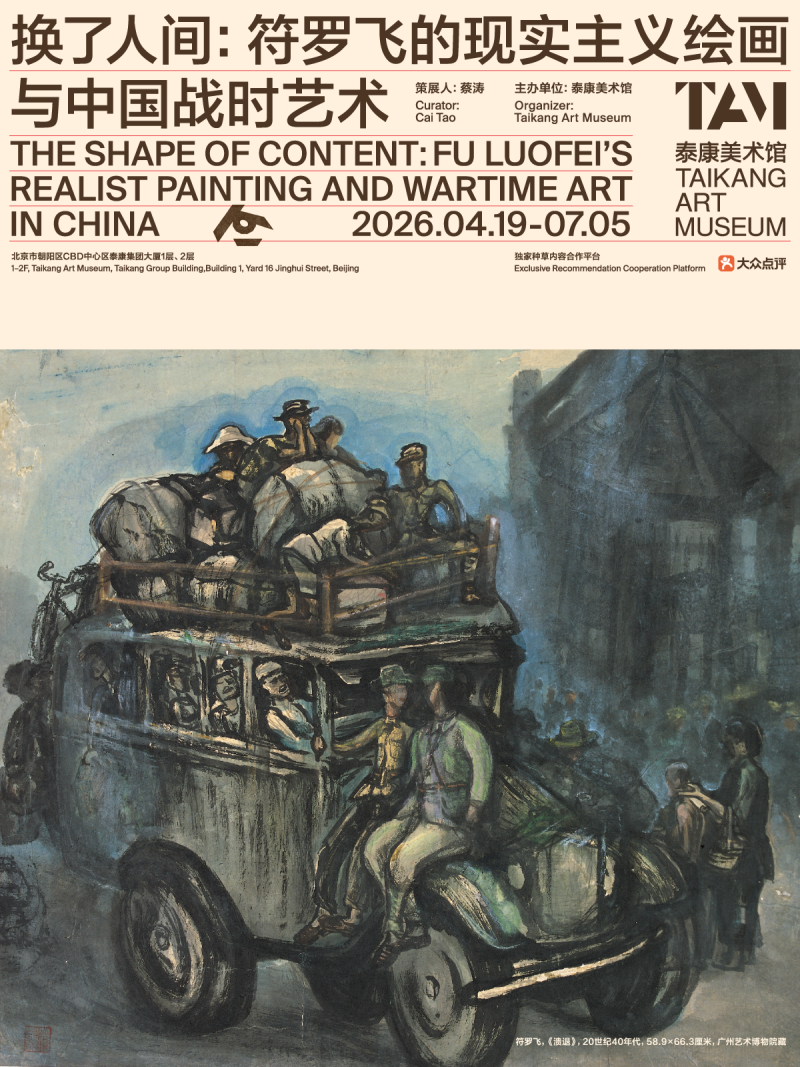
2026.04.19-2026.07.05
The Shape of Content: Fu Luofei’s Realist Painting and Wartime Art in China
- OrganizerTaikang Art Museum
- DurationApril 19th-July 5th, 2026
- Opening HourTues.-Sun. 10:00-17:30 (the latest entry time: 16:30)
- Participating ArtistsFu Luofei, Gu Yuan, Yan Han, Ma Da, Zhang Wang, Ji Guisen, Wang Liuqiu, Huang Xinbo, Yang Qiuren, Liao Bingxiong, Zhang Guangyu, Ding Cong, Mi Gu, Shen Tongheng, Te Wei, Zhang Wenyuan, Fang Jing, Zhang Yangxi, Yang Taiyang, Liang Yongtai, Yang Newei, Wang Qi, Huang Yan, Huang Yongyu, Ye Qianyu, Xie Qusheng, Hu Kao, Pang Xunqin, Zhang Leping, Li Hua, Chen Yanqiao, Rong Ge, Shao Keping, Yi Qiong, Zhao Yannian, Wang Maigan, Zhang Xiya, Xin Yi, Wang Renfeng, Zong Qixiang, Situ Qiao, Ye Fu, Toni Ferro, Arthur Rothstein
- CuratorCai Tao
- Exhibition Works Supported byGuangdong Museum of Art, Guangzhou Museum of Art, Zhejiang Art Museum, Xie Zilong Photography Museum, School of Humanities, Central Academy of Fine Arts, Taikang Insurance Group, Zhang Guangyu Art Documentation Center, Huang Xinbo Personal Archive, Hong Kong Heritage Museum Family Members of Fu Luofei, Prominent Private Collectors in Asia, Mr. Liu Zhipeng, Ms. Huang Yuan, Mr. Li Wei, Mr. Chen Wei, Mr. Wang Wei, Mr. Liu Ding / Ms. Lu Yinghua, Mr. Cai Tao, Mr. Deng Ziyang, Ms. Zheng Ziyan, Ms. Liu Ying, Mr. Zhang Guangduo, Mr. Pang Ying, Mr. Tang Minwei
- Exclusive Recommendation Cooperation PlatformDianping.com
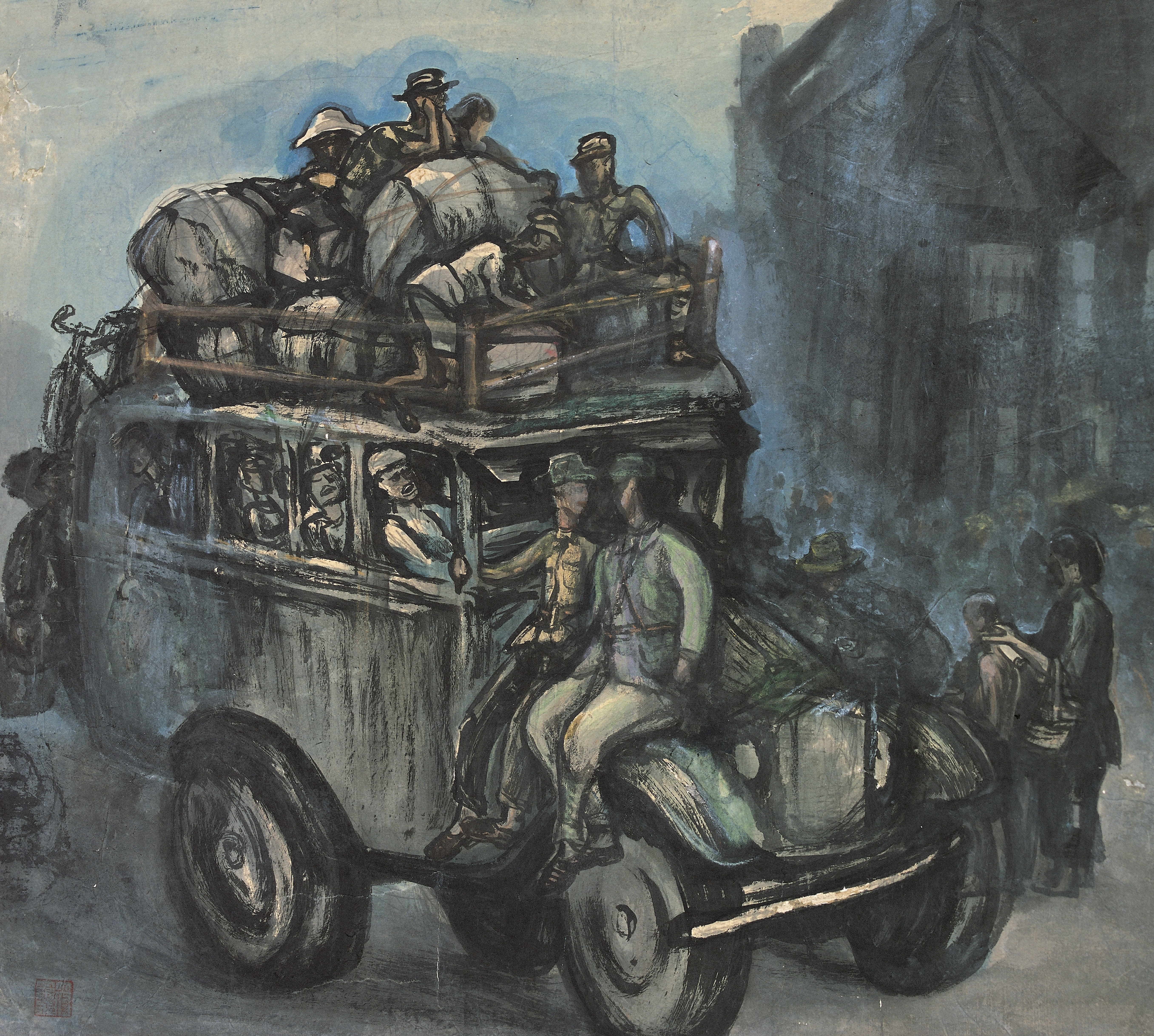
From April 19 to July 5, 2026, Taikang Art Museum presents The Shape of Content: Fu Luofei’s Realist Painting and Wartime Art in China, the largest retrospective to date dedicated to the life and work of Fu Luofei (1897–1971). The exhibition brings together more than 400 works, including 29 pieces from the Taikang Collection, alongside over 100 rare historical documents, among them a substantial number of previously unpublished manuscripts and archival materials presented to the public for the first time.
More than a survey of Fu Luofei’s artistic practice, the exhibition also seeks to reconstruct the development of left-wing art in the 1940s through key works related to wartime Chinese art and the Human Art Club (Renjian Huahui), thereby helping to recover a “missing piece” in the study of modern Chinese art history. Through these significant artworks and archival resources, visitors are invited to reconsider both the richness of Chinese wartime art and the expansive possibilities of realist practice.
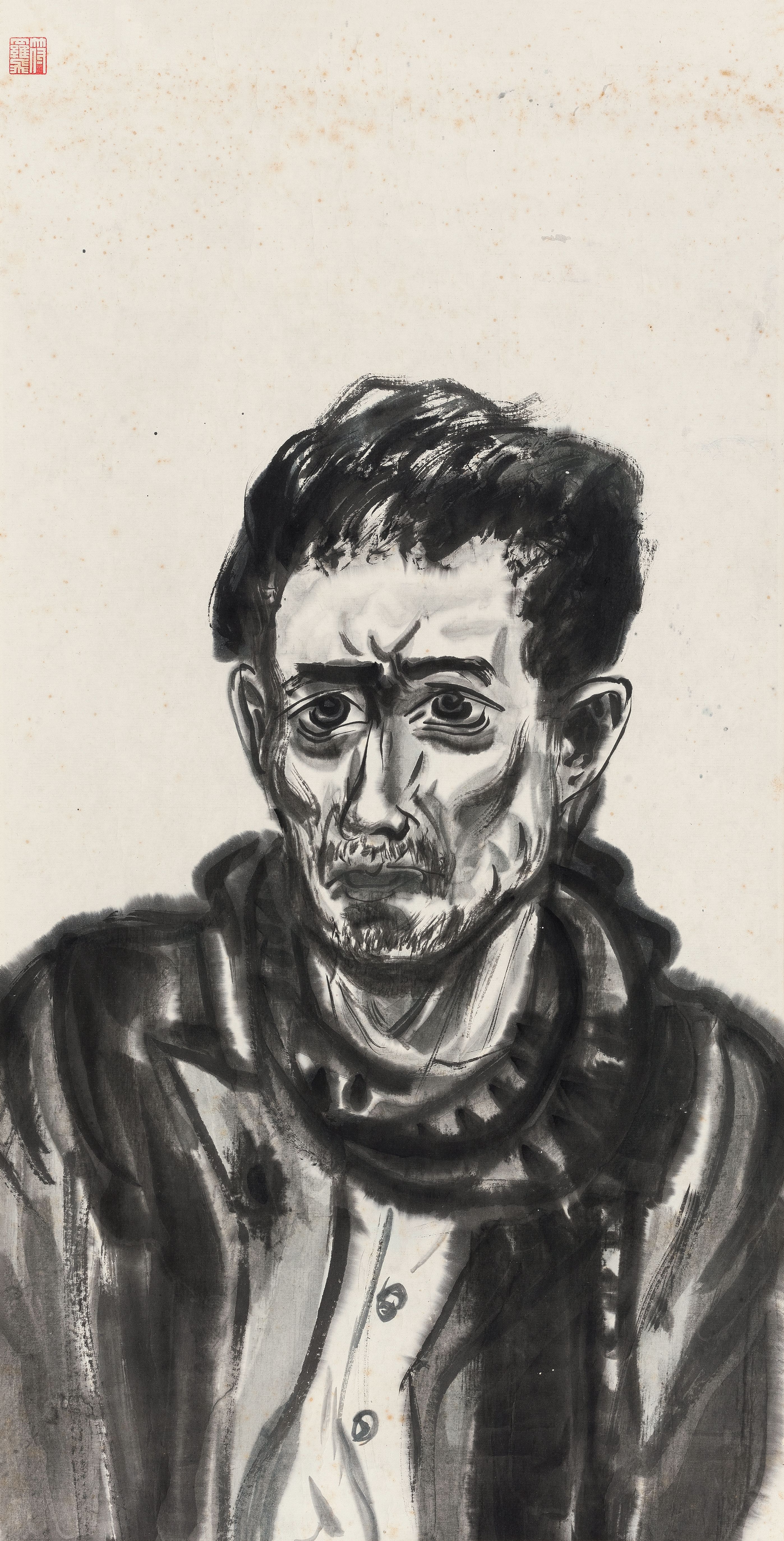
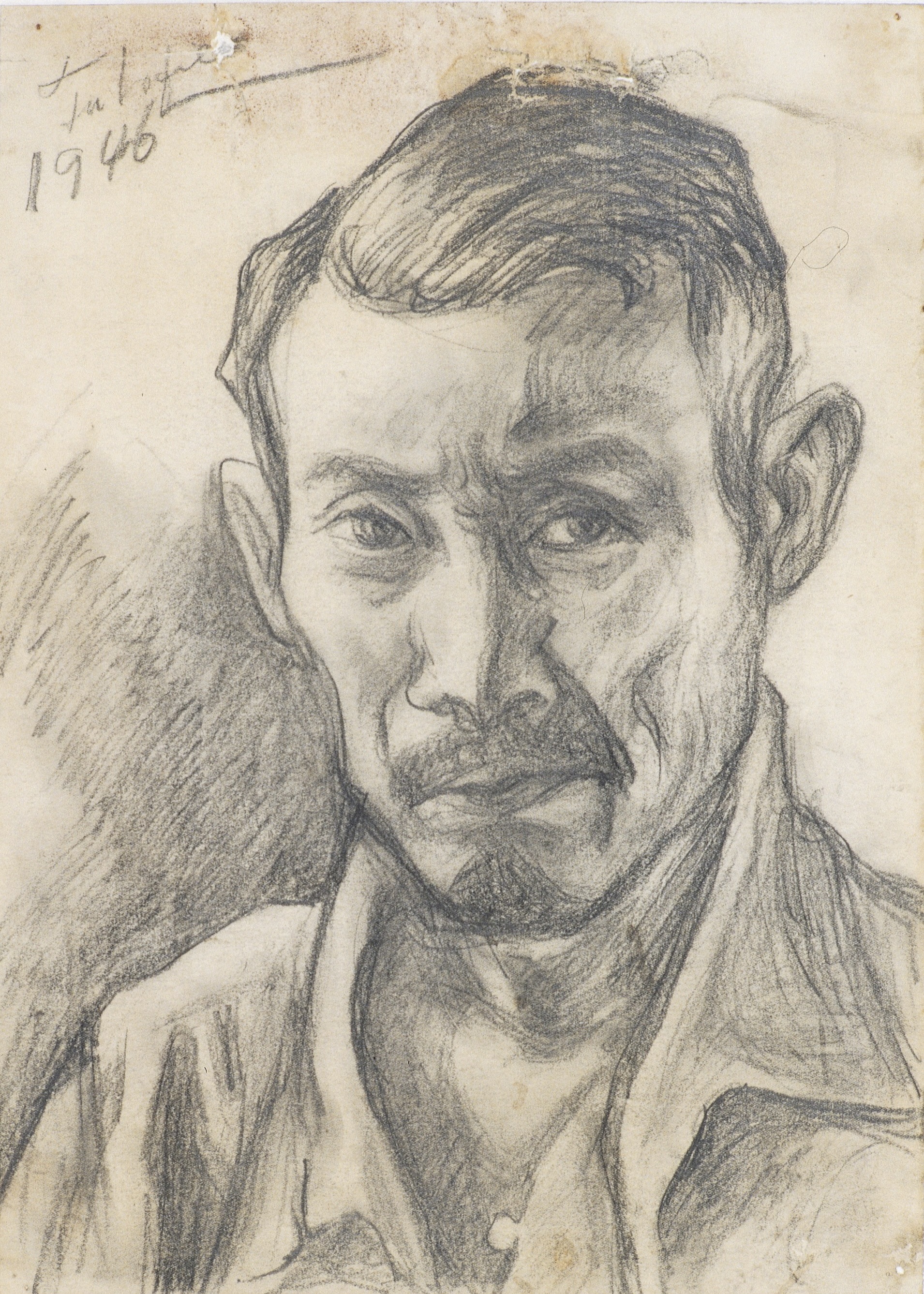
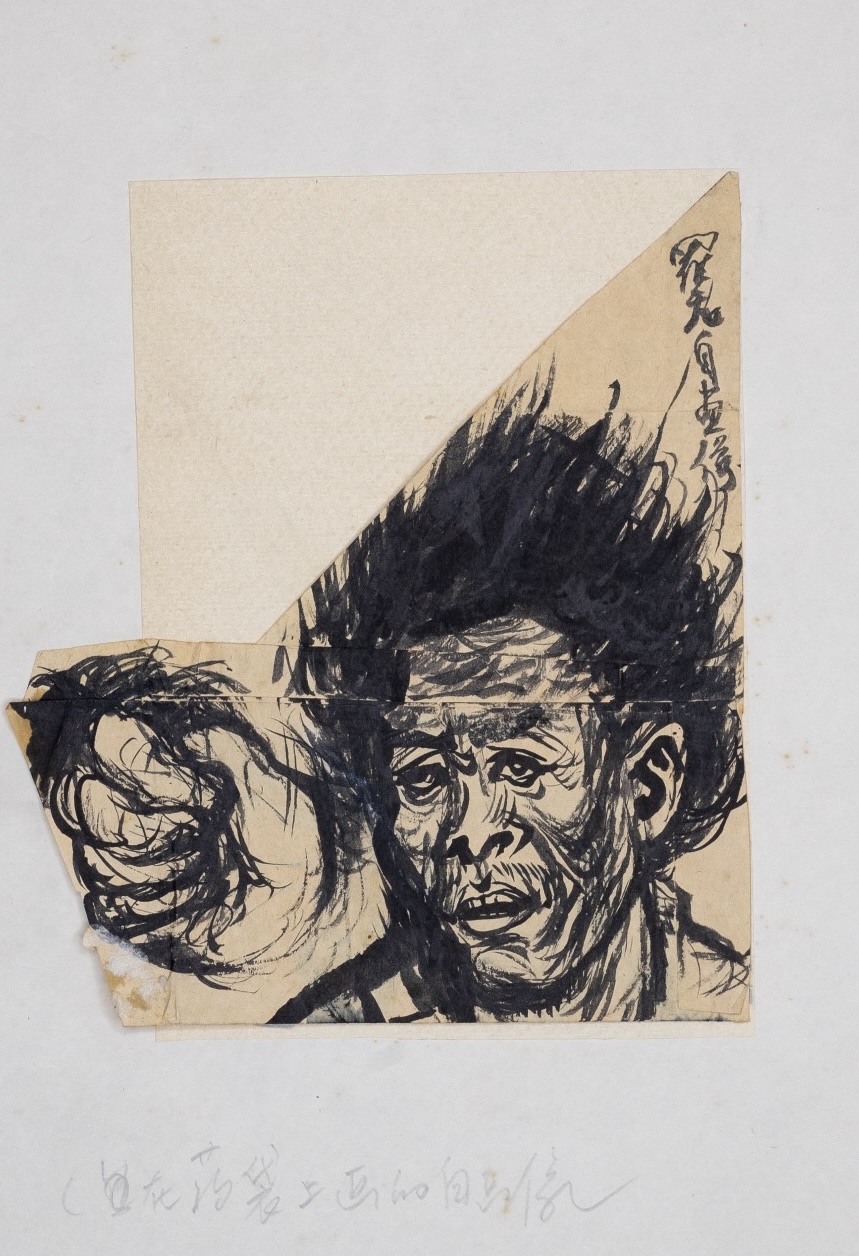
The exhibition is organized into seven sections: Pastoral, Roar, China!, The Starving People, Constellation: Renjian Huahui (The Human Art Club) and Wartime Art in China, But the World has Changed!, Self-Portraits, and South of the Sea. Together, these sections offer a multidimensional view of how Fu Luofei’s lived experience and the historical conditions of his time shaped the themes and stylistic development of his art.
Open to the public free of charge, the exhibition is accompanied by a rich program of academic events, including lectures, workshops, and symposia, bringing together professionals from the fields of art, scholarship, and museum studies in China and abroad for sustained intellectual exchange.
Fu Luofei’s artistic career was marked by extraordinary upheaval. It was at once a legend of a singular life intertwined with painting, and a vivid microhistory of the development of realist painting in China and of art in the early People’s Republic. Born into a poor fishing family in Hainan, Fu nevertheless became the first Chinese artist to participate in the Venice Biennale. As a youth, he drifted through Southeast Asia in search of a living; in early adulthood, he threw himself into the revolutionary movement; later, he went on to study in Europe. Yet throughout these transformations, he remained inseparable from the brush in his hand, using art as a means of speaking out against suffering.
Working across ink painting, sketching, cartoons, and oil painting, Fu entered directly into the historical realities of war and displacement. His works indict social darkness and express a profound concern for the fate of the nation, combining sharpness with emotional and visual force. With his brush as a weapon, Fu bore witness to the upheavals of wartime China and to the pulse of revolution, forging through personal conscience and a deeply expressive touch a modern pictorial language of remarkable originality—one he himself described as “romantic realism.”
The artist Huang Xinbo once remarked that Fu’s paintings “make one tremble, make one indignant, and at the same time reveal beautiful rainbows amidst shades of grey.” In the early years of the People’s Republic, some jokingly likened his style to “a plate of chili-fried beef”: robust, fiery, and direct to the heart. In 1946, Fu Luofei was elected the first president of the Human Art Club in Hong Kong, a group that, together with its wider circle, brought together some of the most outstanding left-wing artists active in the Nationalist-controlled regions during the war years. Among them were Huang Xinbo, Zhang Guangyu, Ye Qianyu, Pang Xunqin, Liao Bingxiong, Xie Qusheng, Li Hua, Ye Fu, and Huang Yongyu—artists whose practices matured through the experience of the War of Resistance and who collectively helped sustain the backbone of wartime Chinese art.
Taikang Art Museum’s academic framework takes 1905, 1942, 1976, and the present as key historical nodes, and is structured around three core concerns: institutions, media, and art ecology. Among these, “media” has been pursued as a central line of inquiry since 2012, with emphasis on understanding, through both historical and contemporary perspectives, the transformation of artistic media in the course of China’s artistic modernity.
As a member of the early twentieth-century generation of Chinese artists who studied abroad, Fu Luofei’s practice traversed multiple terrains: academic training, wartime experience, and the social reconstruction of modern China. He was not only an introducer of modern artistic language, but also an active builder of modern Chinese art. Under wartime conditions, the Human Art Club—of which he served as the inaugural president—played a pivotal role in advancing the realist turn in modern Chinese art. Deeply embedded in the historical fabric of twentieth-century China, Fu’s artistic practice, with its dramatic biographical turns, its synthesis of Chinese and Western approaches, and its complex identity combining intellectual self-awareness with revolutionary commitment, offers a vivid case study of the destinies and spiritual choices of his generation within the medium of painting.
The exhibition title, The Shape of Content, points both to the forceful rhythm of historical transformation in Fu Luofei’s paintings and to the transformation of artistic language under the pressure of lived reality. In a wartime China engulfed by suffering, Fu used his brush to bear witness for refugees and the voiceless, fusing personal destiny with the broader narrative of the nation. His artistic practice endures like an inextinguishable spark, burning through the darkness of its age and illuminating the dignity and ideals of human life.
What this exhibition presents is not merely a material gathering of original works and documents, but also the difficult footsteps of an era, the artistic aspirations of a generation, and the resilient growth of realist art. Whether scholars and researchers with a deep interest in wartime art and the ecology of left-wing artistic practice, those who lived through and still feel a profound resonance with that turbulent era, young visitors who come to the museum in search of inspiration, children encountering history with curiosity, or culturally engaged audiences attuned to the emotional currents of their time through art—we hope that every visitor who enters the exhibition will find an opportunity to enter into dialogue with history, to reflect through art, and to draw from it a vitality that remains powerfully alive across time: an enduring passion and critical spirit that continue to reside in the human world.
INSTALLATION VIEWS
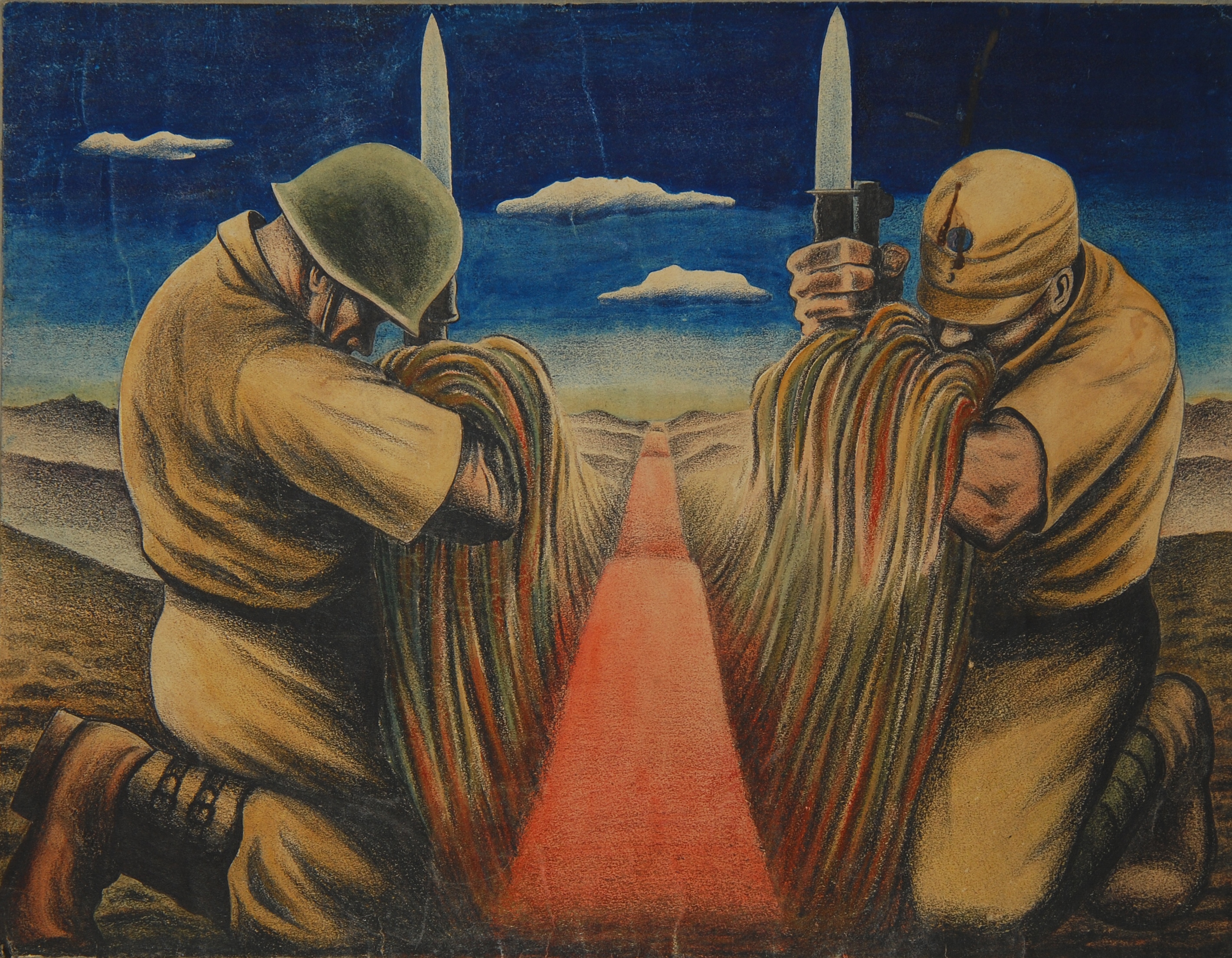
Selected Works
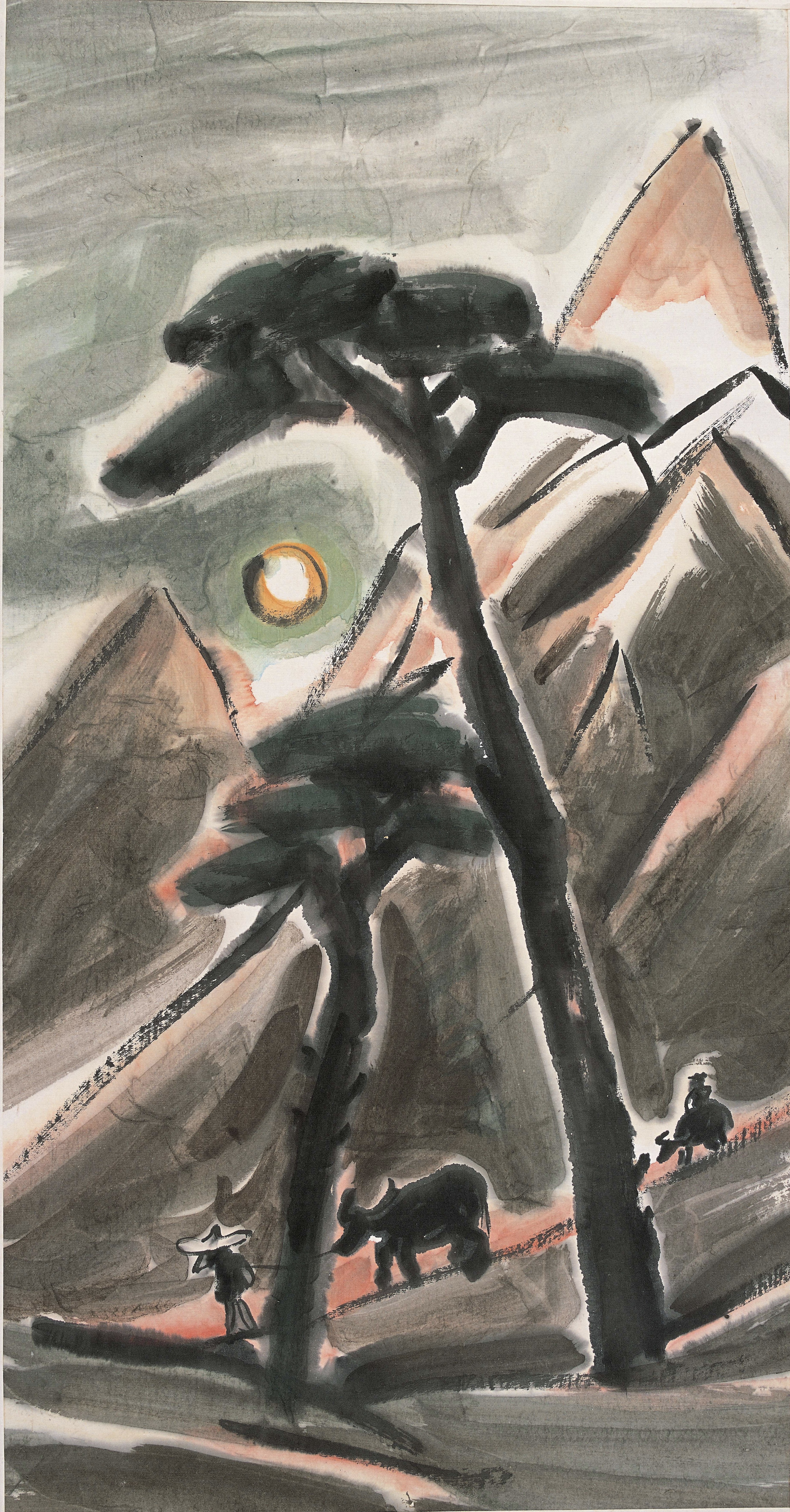
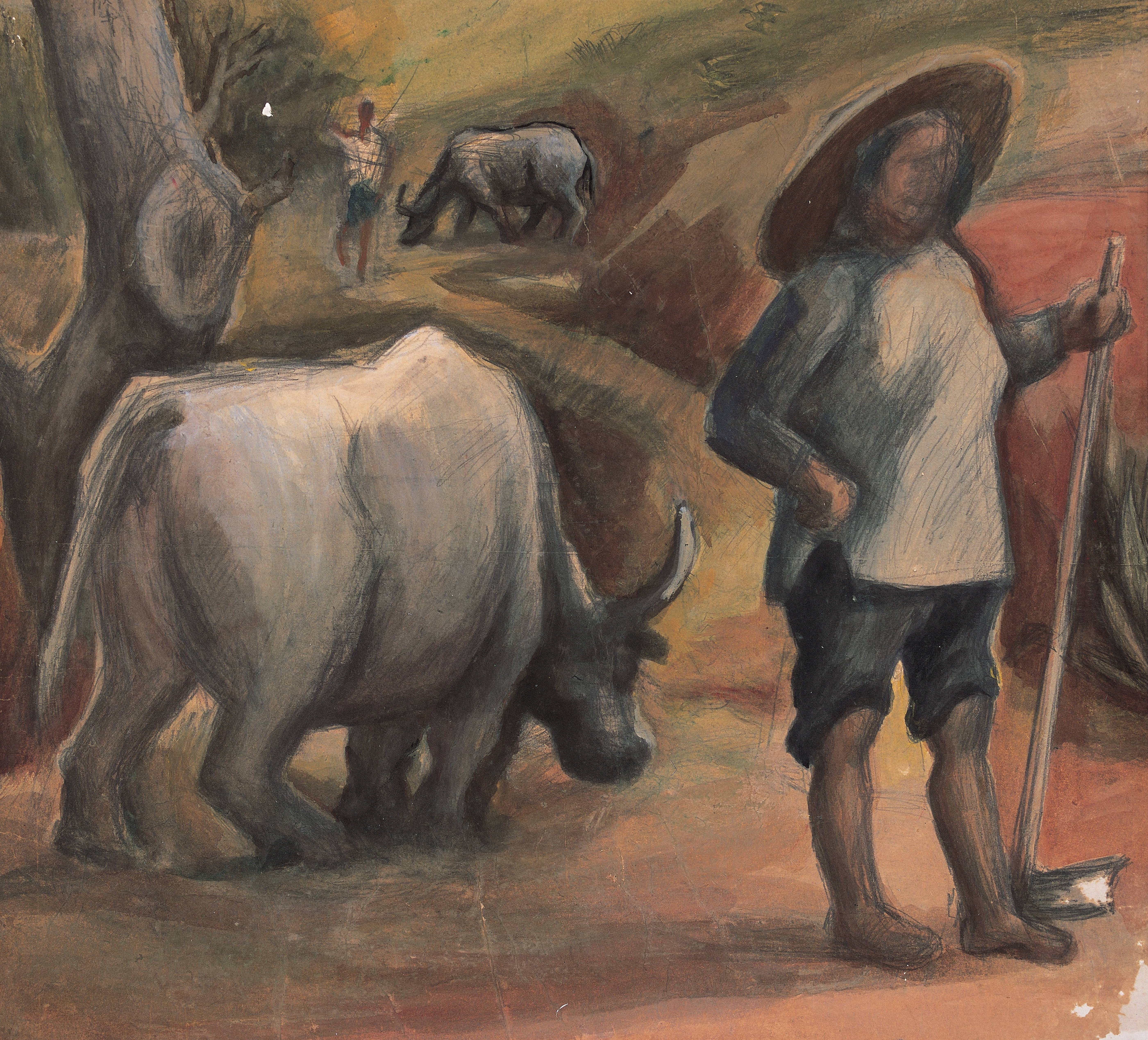
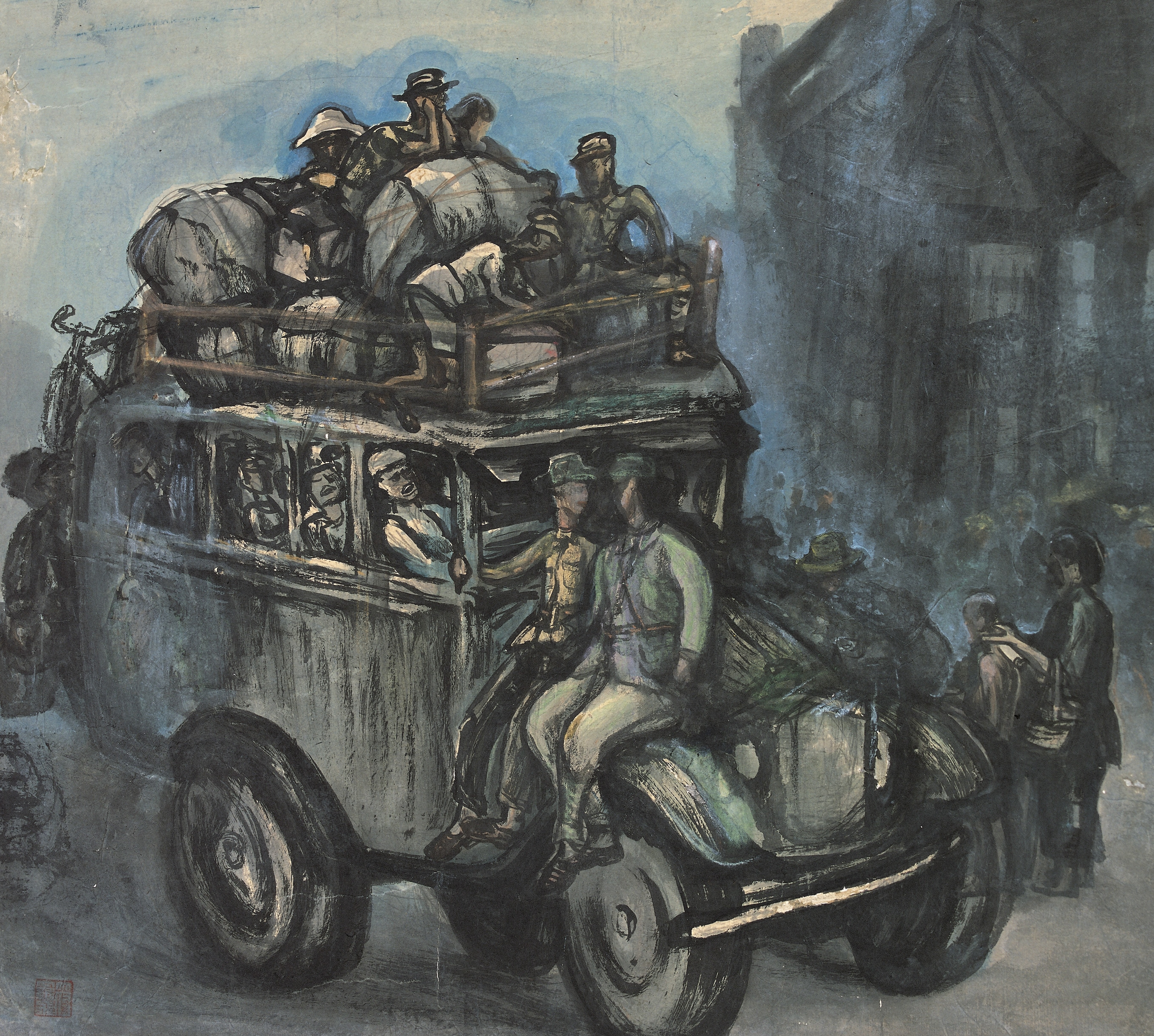
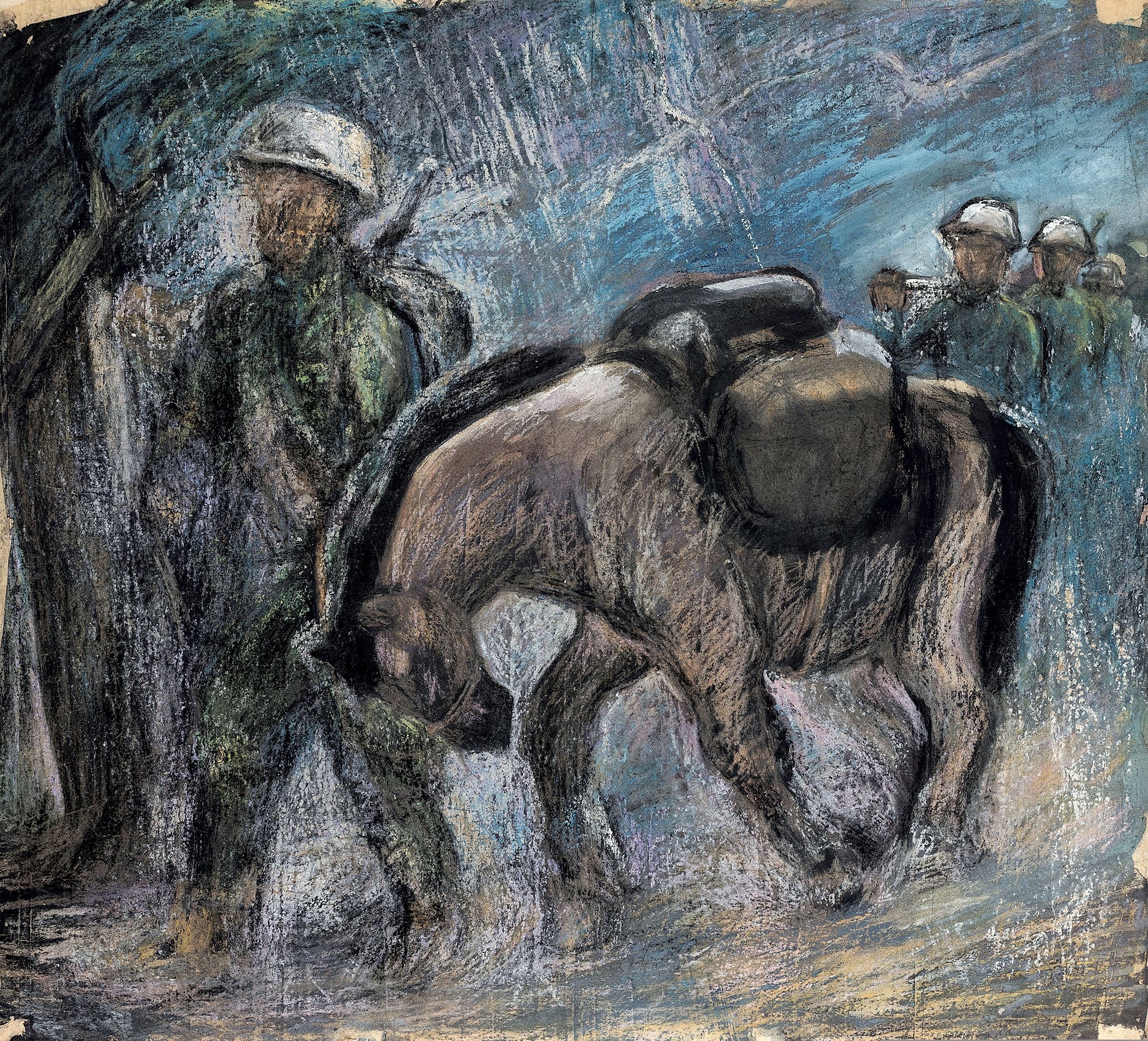
20世纪40年代-纸本粉彩-59.3×66厘米-广州艺术博物院藏.jpeg)
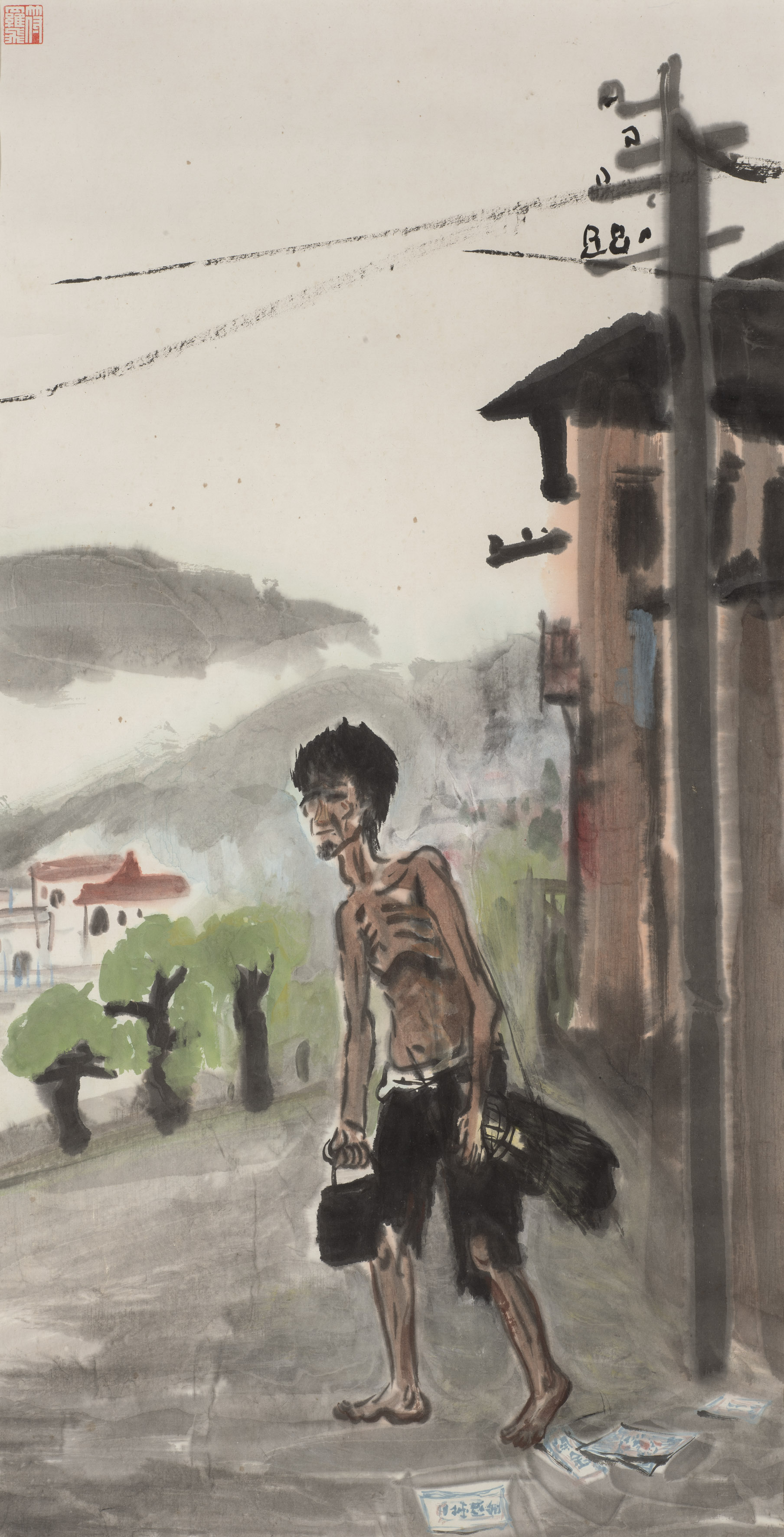
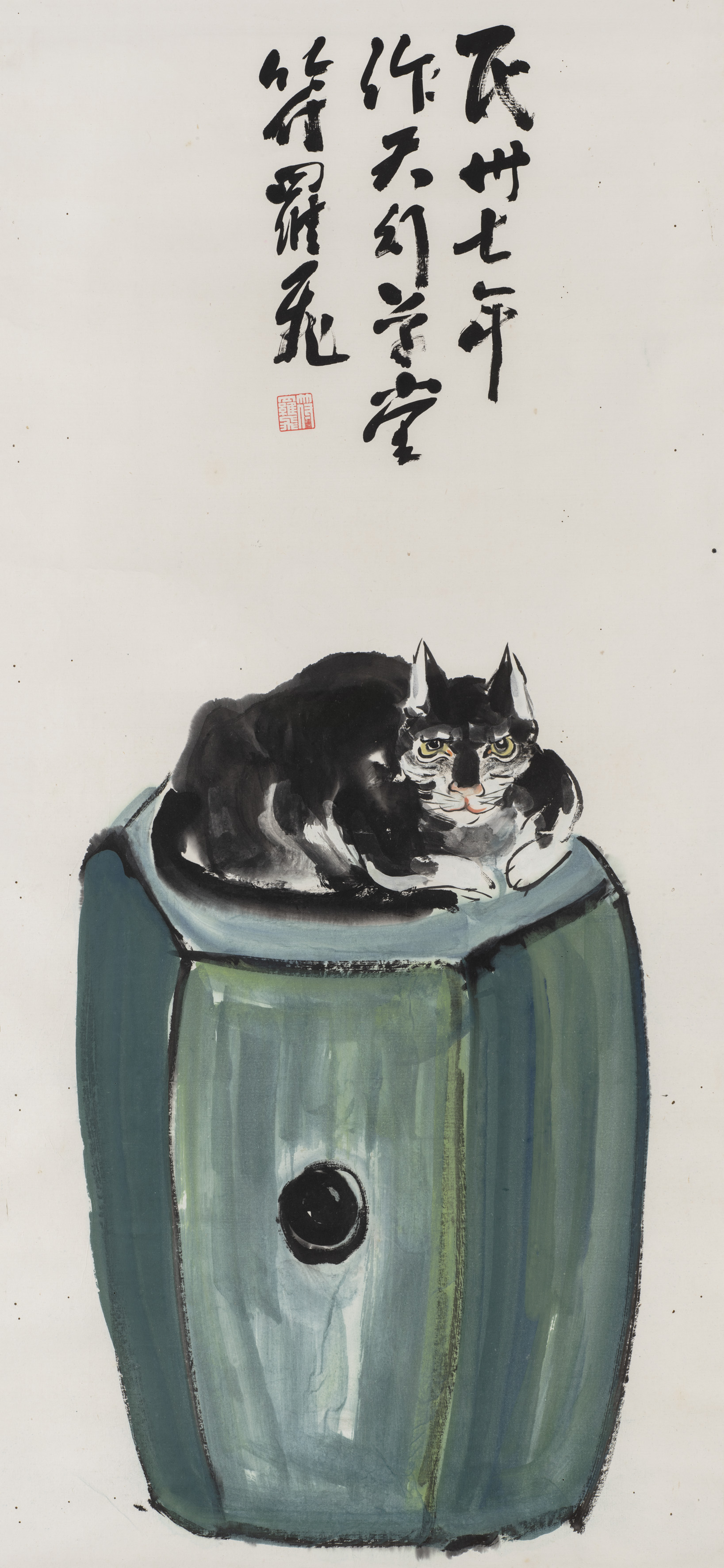
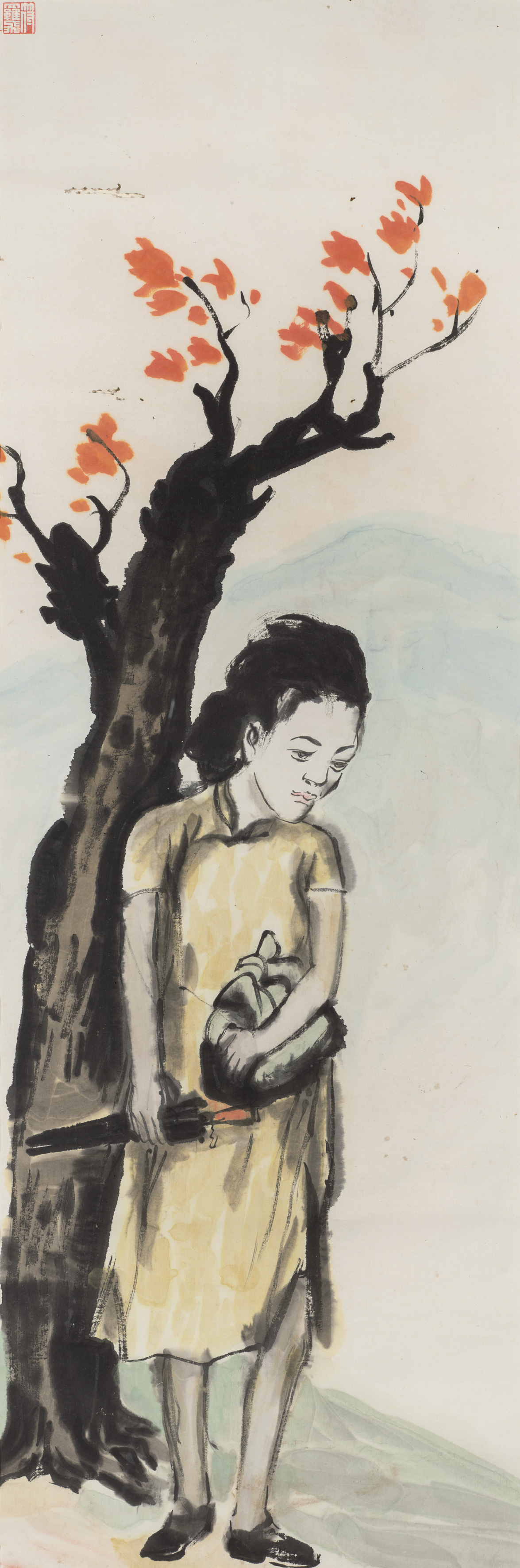
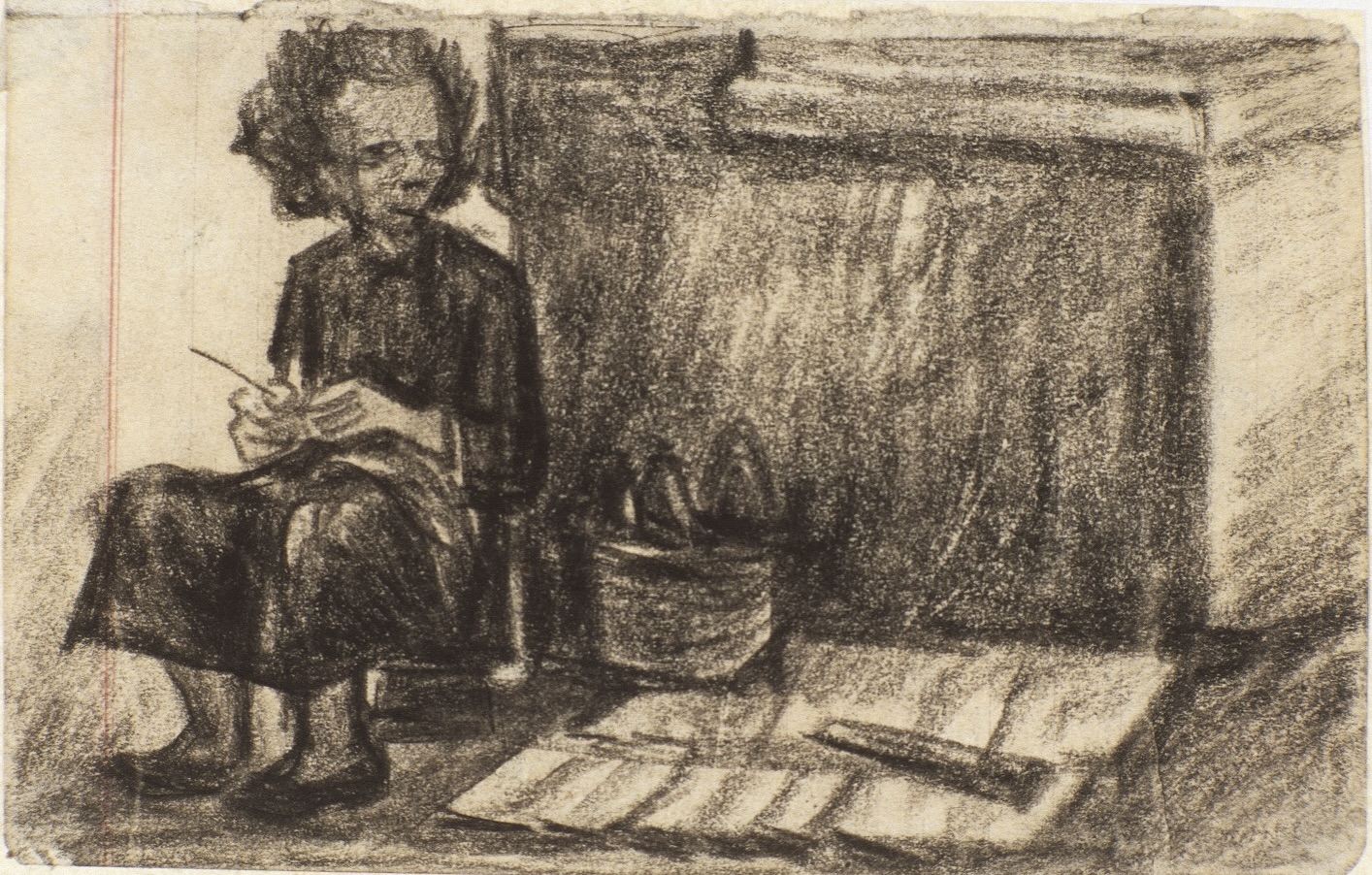
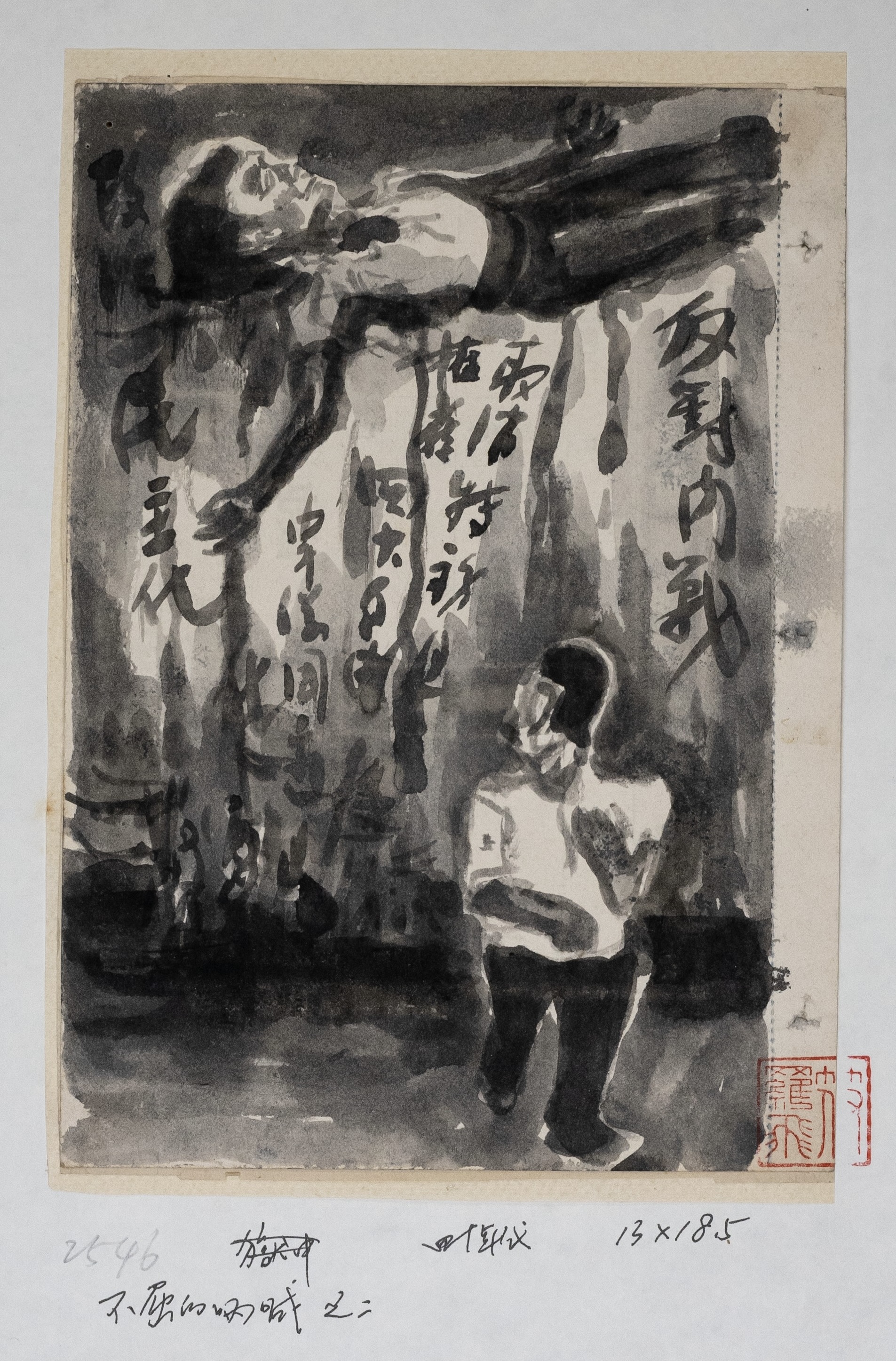
-1944年-纸本木刻-15.6×12.5厘米-私人藏.jpg)

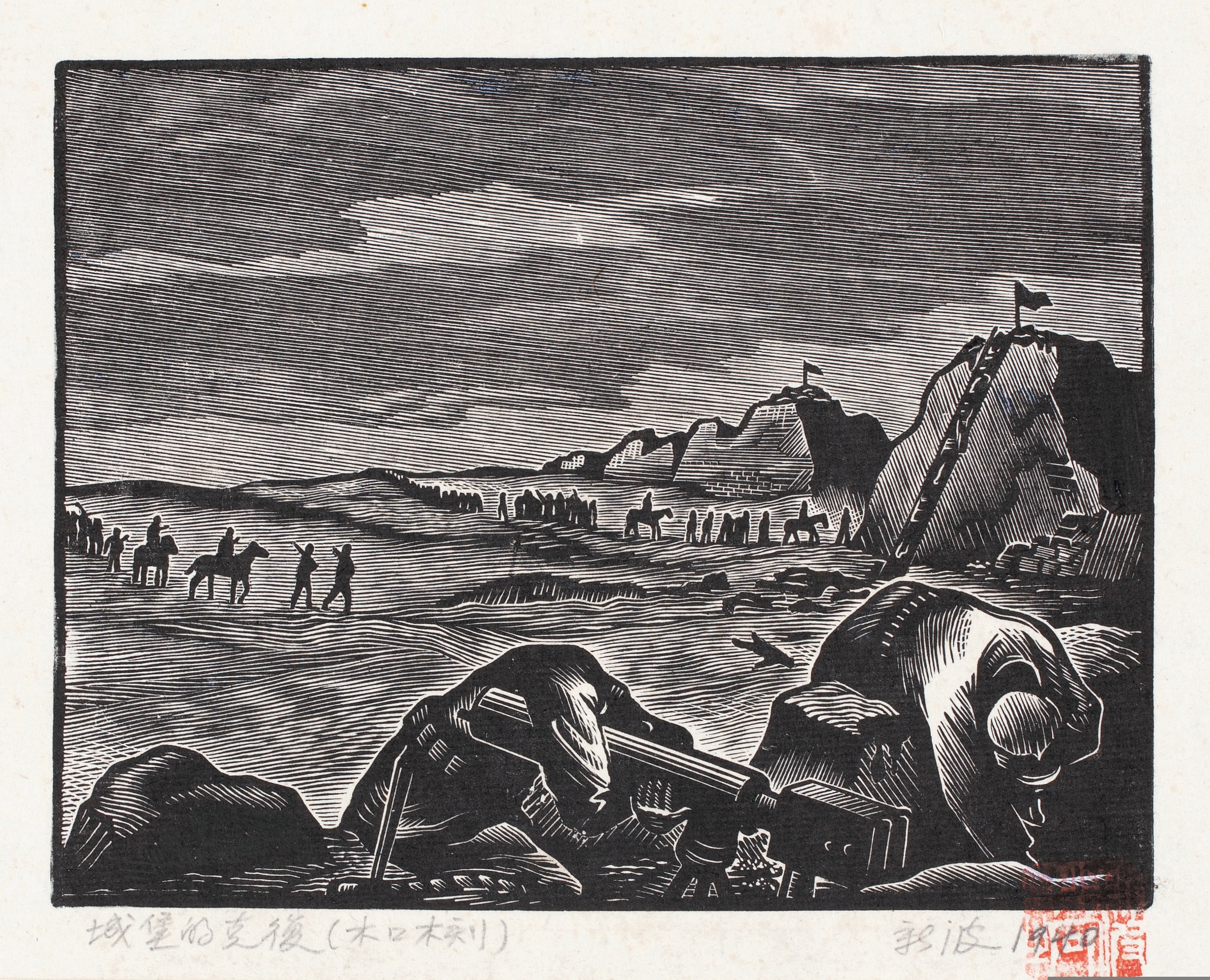
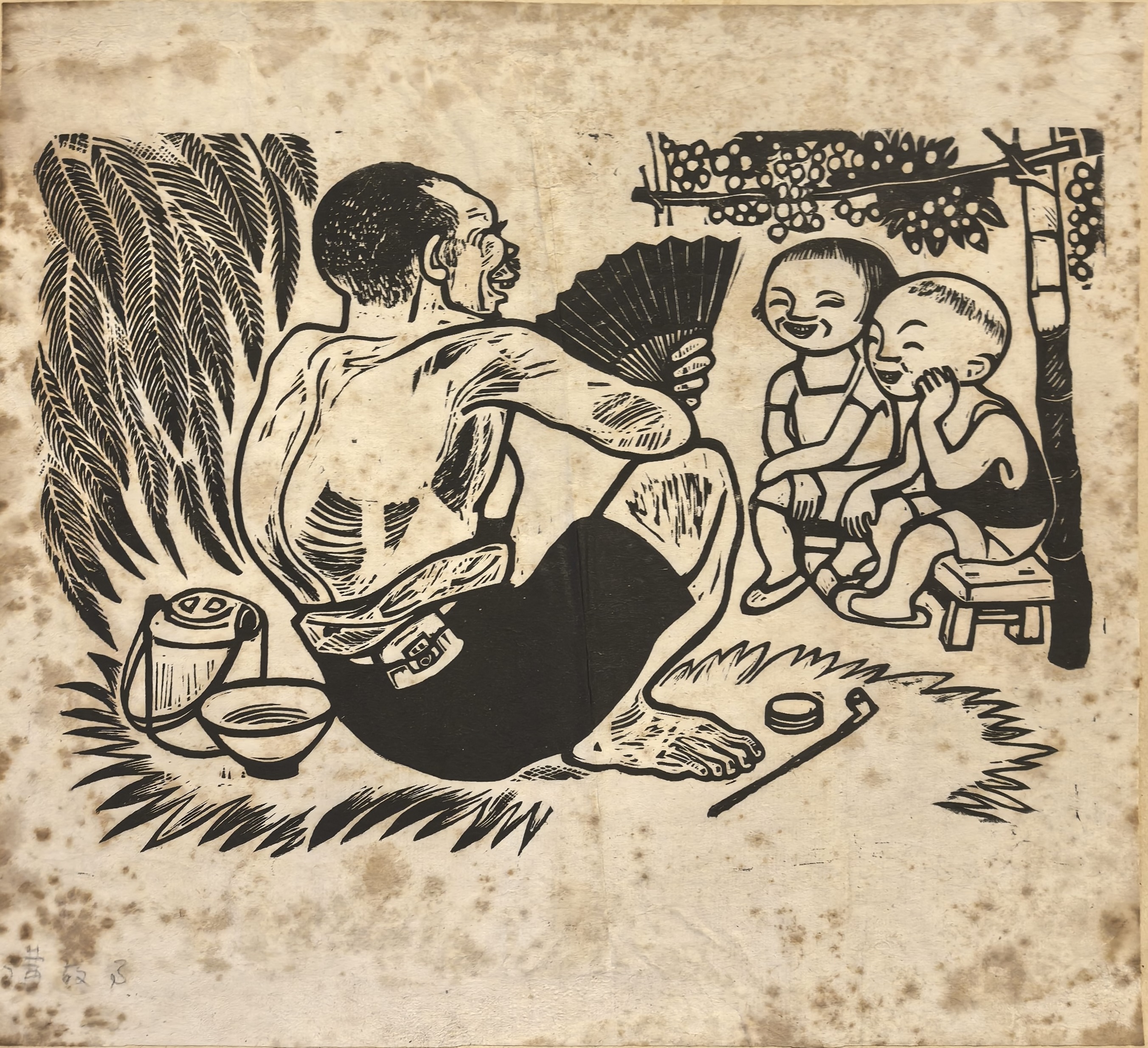
1947年-纸本黑白木刻-19×26.5厘米-私人藏.jpg)